Middletown
(845) 957-8453


If you’ve ever sat in the dental chair and wondered what your hygienist is actually doing, you’re not alone. Understanding what your hygienist is actually looking for during your cleaning in Scotchtown can ease anxiety and help you become a better partner in your own oral health. At SmileCross Dental of Middletown, Dr. Sharon Garma and our team believe informed patients make healthier choices. This step-by-step guide breaks down exactly what happens during a professional cleaning — and why every part matters.
The First Look: Your Hygienist’s Initial Assessment in Scotchtown
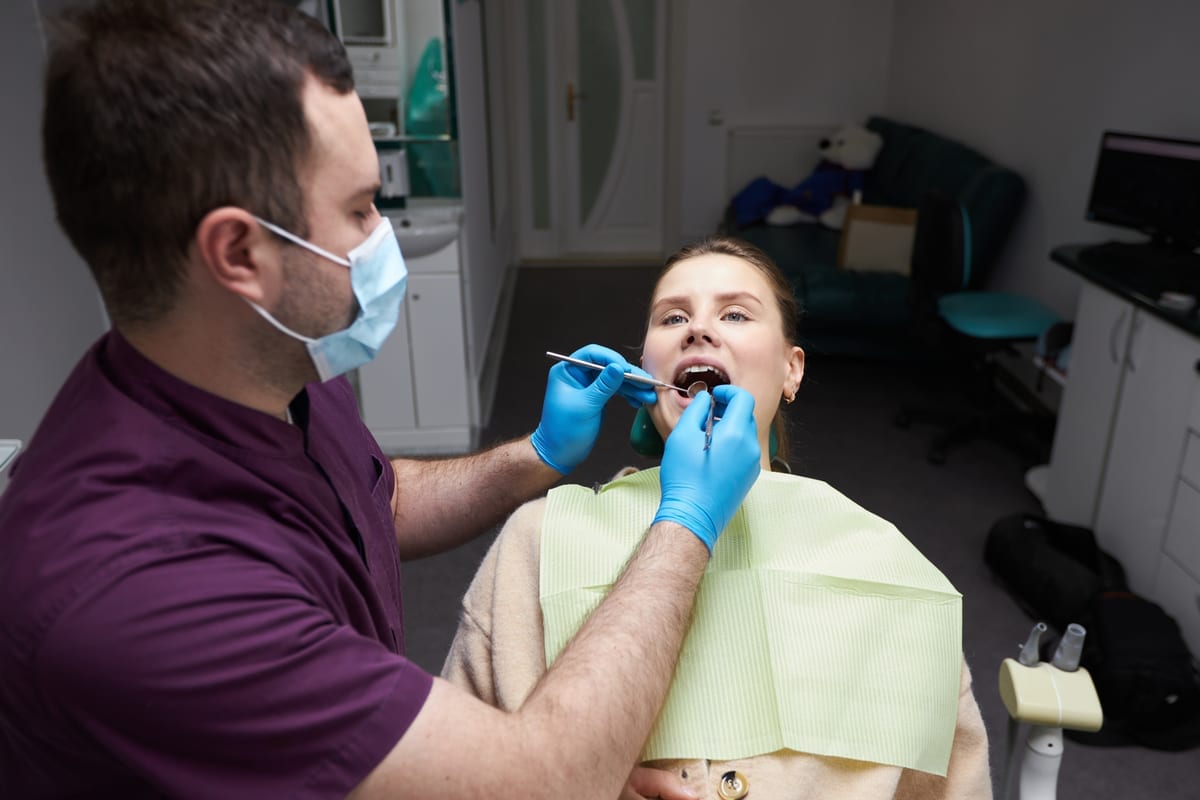
Before any tools come out, your hygienist starts with a careful visual exam. They’re scanning your gums, teeth, and soft tissues for anything unusual. Redness, swelling, or recession around the gumline are early warning signs they take seriously.
Your hygienist will also check for signs of teeth grinding, also called bruxism. Worn-down edges, chipped surfaces, or flattened cusps can all point to nighttime grinding. Catching this early protects your enamel long-term.
They may also note changes since your last visit. If a spot that was once healthy now looks different, that’s important clinical information. This first assessment shapes everything that follows in your appointment.
Probing and Measuring: What Those Numbers Mean
One of the most important steps in any cleaning is periodontal probing. Your hygienist uses a small, blunt instrument to measure the depth of the pockets between your teeth and gums. They call out numbers — usually between 1 and 10 — to record your gum health.
Healthy gum pockets typically measure between 1 and 3 millimeters. Numbers of 4 or higher may indicate early gum disease, also called gingivitis or periodontitis. These measurements tell your hygienist exactly where inflammation is occurring.
Here’s what those pocket depth numbers generally mean:
- 1–3 mm: Healthy gum tissue with no significant concern
- 4 mm: Mild inflammation — a warning sign to watch
- 5–6 mm: Moderate gum disease that needs attention
- 7 mm or higher: Advanced periodontitis requiring treatment beyond a routine cleaning
This information directly guides your treatment plan. Your hygienist isn’t just calling out random numbers — they’re mapping the health of your entire mouth.
Scaling and Polishing: Removing What Brushing Leaves Behind
Once the assessment is complete, your hygienist moves into the hands-on cleaning phase. Scaling is the process of removing tartar, also called calculus, from tooth surfaces. No amount of brushing at home removes hardened tartar — only professional tools can do that.
Your hygienist uses two main types of scaling tools. An ultrasonic scaler uses vibration and water to break up large deposits of tartar quickly. Hand scalers are then used for more precise removal near the gumline and between teeth.
After scaling, your hygienist polishes your teeth using a gritty paste called prophylaxis paste. This removes surface stains and smooths the enamel. Smoother enamel is harder for plaque bacteria to cling to — so polishing isn’t just cosmetic.
What your hygienist looks for during this phase includes:
- Tartar buildup below the gumline, known as subgingival calculus
- Staining from coffee, tea, or tobacco
- Rough or pitted enamel surfaces that may trap bacteria
- Areas with heavy plaque that suggest poor brushing habits
- Early signs of decay between or on the surfaces of teeth
Checking for Cavities and Other Concerns During Your Cleaning
Your hygienist doesn’t just clean — they actively look for problems while they work. Every surface of every tooth gets examined up close. This is often when early cavities are first spotted, before they become painful or require more complex treatment.
They’ll also examine any existing restorations. Old fillings, crowns, or dental work can crack, chip, or wear down over time. A compromised restoration can allow bacteria to sneak in underneath, causing new decay.
If your hygienist notices a suspicious area, they’ll flag it for Dr. Garma to examine. This collaboration between hygienist and dentist is what makes routine cleanings so valuable. In some cases, an X-ray may be recommended to get a better look at what’s happening beneath the surface.
Your hygienist will also screen for oral cancer during your appointment. They check the tongue, cheeks, palate, and throat for any unusual sores, lumps, or discoloration. Early detection dramatically improves outcomes for oral cancer patients.
Flossing, Rinsing, and Personalized Oral Hygiene Tips
After scaling and polishing, your hygienist will floss between every tooth. This step removes any debris loosened during cleaning and checks for areas that bleed easily. Bleeding during flossing is a common sign of gum inflammation — and your hygienist makes note of exactly where it occurs.
A fluoride rinse or fluoride treatment is often applied at the end of the appointment. Fluoride strengthens enamel and helps protect against decay between visits. This is especially beneficial for patients prone to cavities.
Before you leave, your hygienist will give you personalized guidance based on what they observed. If they noticed heavy buildup on your back molars, they’ll show you how to angle your brush better. If your gums bled in specific spots, they’ll recommend targeted flossing techniques.
This personalized coaching is one of the most underrated parts of your cleaning appointment. It’s tailored advice you can apply immediately — and it makes a real difference by your next visit.
When Your Cleaning Reveals Something That Needs More Attention
Sometimes a routine cleaning uncovers issues that require follow-up care. This isn’t a cause for alarm — it’s exactly why regular visits matter. Catching problems early nearly always means simpler, less invasive treatment.
For example, if deep gum pockets are found, your hygienist and Dr. Garma may recommend a deep cleaning, also called scaling and root planing. This procedure cleans below the gumline to stop gum disease from progressing further.
If your hygienist spots a cracked tooth or damaged filling, a dental crown may be the right solution. In cases where infection has reached the inner pulp of the tooth, Root Canal Treatment may be necessary to save the tooth. Addressing these issues promptly prevents more serious complications down the road.
If you experience a dental emergency between appointments — such as a severe toothache or broken tooth — SmileCross Dental also offers Emergency Dentistry to help Scotchtown patients get fast, compassionate care when they need it most.
Conclusion: Your Cleaning Is More Than It Looks
A professional teeth cleaning is one of the most comprehensive assessments your mouth receives. Your hygienist is actively evaluating your gum health, checking for decay, screening for oral cancer, removing harmful buildup, and coaching you on better home care — all in one appointment. Residents in Scotchtown and across the Middletown area have a trusted partner in Dr. Sharon Garma and the team at SmileCross Dental. Don’t skip this essential visit — your mouth will thank you for it. Book Now to schedule your appointment with our team.
Frequently Asked Questions
How often should I get a professional teeth cleaning in Scotchtown?
Most patients benefit from a professional cleaning every six months. However, if you have a history of gum disease or tend to build up tartar quickly, your hygienist may recommend visits every three to four months. Your individual needs guide the schedule.
Does a teeth cleaning hurt?
Most cleanings are comfortable and well-tolerated. If you have sensitive gums or significant tartar buildup, you may feel some pressure or mild discomfort during scaling. Letting your hygienist know about sensitivity allows them to adjust their technique and make you more comfortable throughout the visit.
What is the difference between a regular cleaning and a deep cleaning?
A regular cleaning, called prophylaxis, removes plaque and tartar from above and just below the gumline. A deep cleaning, or scaling and root planing, goes further below the gumline to treat active gum disease. Your hygienist will recommend the appropriate type based on your pocket depth measurements.
Can my hygienist tell if I haven’t been flossing regularly?
Yes — very easily. Gum tissue that bleeds quickly during probing or flossing, as well as heavy plaque buildup between teeth, are telltale signs. The good news is that your hygienist won’t judge you. They’ll use the information to offer targeted tips that can genuinely improve your results.
What should I do to prepare for my cleaning appointment?
Brush your teeth before your appointment as you normally would. There’s no need to do anything special. Arriving with a clean mouth helps your hygienist focus on any areas that genuinely need attention rather than routine plaque removal. If you have any new health concerns or medications, let the front desk know when you arrive.