Middletown
(845) 957-8453



If you’ve been putting off replacing a missing tooth, you’re not alone. Many residents in Middleburgh and across Schoharie County hesitate because of things they’ve heard about dental implants. Understanding the 5 dental implant myths that might be holding you back in Middleburgh could change your entire outlook. Dr. Rosanne Morgan at SmileCross Dental wants to set the record straight with honest, patient-focused information.
Why Dental Implant Myths Are So Common in Middleburgh
Misinformation spreads quickly — especially when it comes to dental procedures. People often hear horror stories from friends or read outdated content online. These stories stick, and they create fear where there shouldn’t be any.
The truth is that dental implant technology has advanced significantly over the past decade. What patients once experienced no longer reflects what modern implant dentistry looks like today. Before you write off implants entirely, it’s worth hearing the facts.
Here’s why these myths matter: they may be preventing you from choosing the most durable, natural-looking tooth replacement available. Let’s break down each myth and replace it with the reality.
Myth 1: Dental Implants Are Too Painful
The Myth: Many people assume implant surgery is extremely painful and takes months to recover from.
The Reality: Most patients report that the procedure is far more comfortable than they expected. Local anesthesia is used during placement, which keeps discomfort minimal. Many patients compare it to a routine tooth extraction.
Post-procedure soreness is normal and typically manageable with over-the-counter pain relief. Most people return to their regular routines within a day or two. Swelling and mild tenderness fade quickly in the first week.
Dr. Rosanne Morgan takes a gentle, patient-centered approach at SmileCross Dental. Her team ensures every patient feels informed and comfortable before, during, and after the procedure.
Myth 2: I’m Too Old for Dental Implants
The Myth: Implants are only for younger patients, and older adults won’t qualify or heal properly.
The Reality: Age alone does not disqualify anyone from receiving dental implants. What matters more is overall health and bone density. Many patients in their 60s, 70s, and even 80s successfully receive implants every year.
Older adults often benefit most from implants. Dentures can shift over time and affect the ability to eat and speak comfortably. Implants stay firmly in place and function just like natural teeth.
A proper evaluation will assess bone structure and general health. If bone loss has occurred, procedures like bone grafting can help prepare the jaw. Your candidacy depends on your individual health — not your birthday.
Myth 3: Dental Implants Look Fake and Unnatural
The Myth: Implants look artificial and people will immediately notice them.
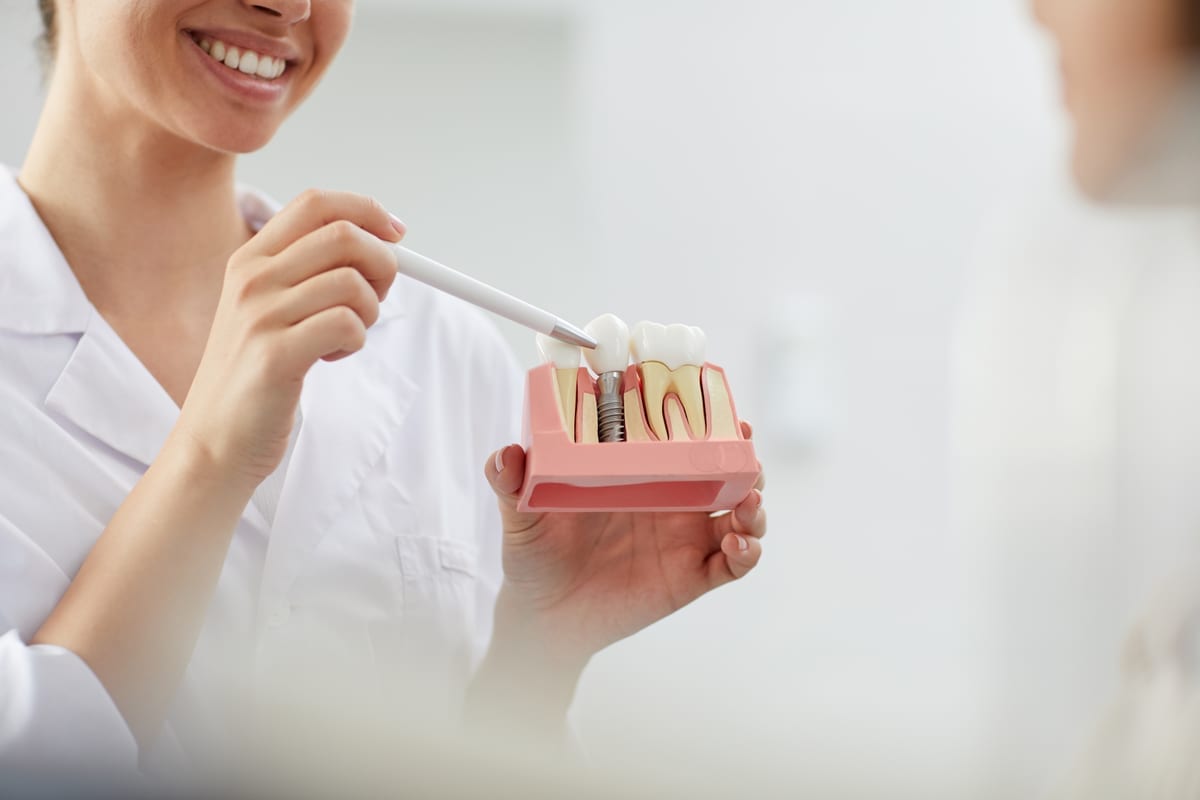
The Reality: Modern dental implants are designed to match the shape, size, and color of your surrounding natural teeth. The crown that sits on top of the implant is custom-made for each patient. Nobody will be able to tell the difference.
In fact, implants often look better than the original tooth they replace. They don’t stain as easily as natural enamel and hold their appearance for years. Patients consistently report feeling more confident after receiving implants.
SmileCross Dental uses high-quality materials and precise techniques to ensure every implant blends seamlessly. The goal is always a result that looks and feels completely natural.
Myth 4: Implants Always Fail or Don’t Last
The Myth: Dental implants fail frequently and aren’t a long-term solution.
The Reality: Dental implants have a success rate of over 95% when placed by a qualified provider. With proper care, they can last a lifetime. That’s significantly longer than bridges or dentures, which may need replacement every 10 to 15 years.
Implant failure is rare and often linked to specific risk factors. Smoking, uncontrolled diabetes, or poor oral hygiene can affect healing. Patients who follow aftercare instructions see excellent long-term results.
Here are key habits that support implant longevity:
- Brushing twice daily with a soft-bristle toothbrush
- Flossing around the implant daily
- Attending regular dental cleanings and checkups
- Avoiding tobacco products
- Wearing a night guard if you grind your teeth
Your implant is an investment in your long-term health. Treat it well, and it can serve you for decades.
Myth 5: Any Dental Problem Can Wait — Implants Aren’t Urgent
The Myth: Missing a tooth isn’t a big deal, so there’s no rush to get an implant.
The Reality: A missing tooth triggers a chain of problems that worsen over time. The jawbone beneath a missing tooth begins to shrink within months of tooth loss. Neighboring teeth can shift into the gap, causing alignment issues.
The longer you wait, the more complex and costly the solution becomes. Bone loss may eventually require grafting before an implant can be placed. Acting sooner preserves your options and protects your oral health.
Dental emergencies can also complicate matters. If you experience sudden tooth pain or trauma, Emergency Dentistry services at SmileCross Dental can help protect your remaining teeth and assess your implant options quickly. In some cases, a failing tooth requiring Root Canal Treatment may ultimately need extraction — and an implant becomes the best next step.
What to Expect During Your Implant Consultation at SmileCross Dental
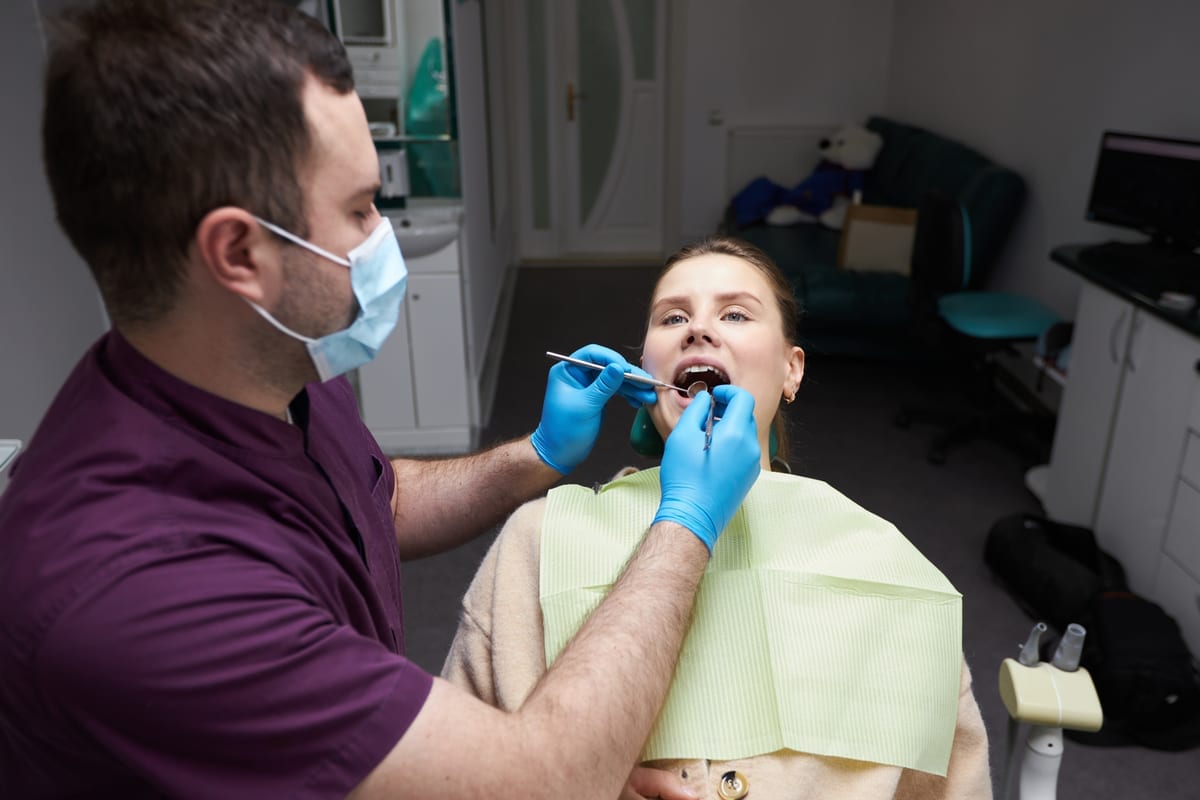
Understanding the process removes a lot of anxiety. Here’s what your first visit typically looks like:
- Comprehensive exam — X-rays and a full evaluation of your oral health
- Bone assessment — Checking jaw density to confirm implant readiness
- Treatment planning — A personalized roadmap created just for you
- Discussion of your concerns — Dr. Morgan answers every question honestly
- Timeline and cost overview — Clear expectations with no surprises
The consultation is a conversation, not a sales pitch. Dr. Morgan’s priority is helping you make the best decision for your health and confidence.
Take the Next Step Toward a Complete, Healthy Smile
Middleburgh patients deserve accurate information — not outdated myths. The 5 dental implant myths that might be holding you back in Middleburgh are far more common than they should be, and every one of them has a clear, reassuring answer. Missing teeth affect how you eat, speak, and feel about yourself. You don’t have to live with that gap.
Dr. Rosanne Morgan and the SmileCross Dental team are here to guide you every step of the way. Whether you have one question or twenty, the team welcomes your curiosity. Book Now to schedule your appointment with our team.
Frequently Asked Questions
Are dental implants safe for patients with health conditions?
Many patients with managed health conditions are still good candidates for implants. Conditions like controlled diabetes or high blood pressure don’t automatically disqualify you. Dr. Morgan reviews your full health history and works with your medical team if needed to ensure safe treatment.
How long does the entire dental implant process take?
The process typically takes three to six months from placement to final crown. Much of that time involves healing and osseointegration — the process where the implant fuses with the jawbone. The actual surgical steps are shorter than most patients expect.
Will my dental implant require special maintenance?
Implants are easy to maintain. You brush, floss, and visit your dentist regularly — just as you would with natural teeth. No special adhesives or removal routines are needed. Consistent oral hygiene is the most important factor in long-term implant success.
What happens if I’ve already experienced significant bone loss?
Bone loss doesn’t automatically rule out implants. Bone grafting is a common procedure that rebuilds the jaw before implant placement. Dr. Morgan will assess your bone density during your consultation and recommend the right approach for your situation.
Is there a minimum or maximum age for dental implants?
Implants are generally not placed until the jaw has fully developed, which is typically in the late teens. There is no upper age limit. Candidates are evaluated based on bone health, overall wellness, and individual anatomy — not age.