Middletown
(845) 957-8453


Many patients leave a cleaning appointment and feel surprised. Their teeth look brighter, but some stains remain. Understanding what your teeth cleaning actually removes — and what it doesn’t — in Schoharie helps you set realistic expectations. At SmileCross Dental, PLLC, Dr. Rosanne Morgan wants every patient to walk out informed, not confused.
A professional cleaning is one of the most important things you can do for your oral health. But it is not the same as a whitening treatment. Knowing the difference saves you frustration and helps you plan your next step with confidence.
What a Professional Teeth Cleaning Actually Removes
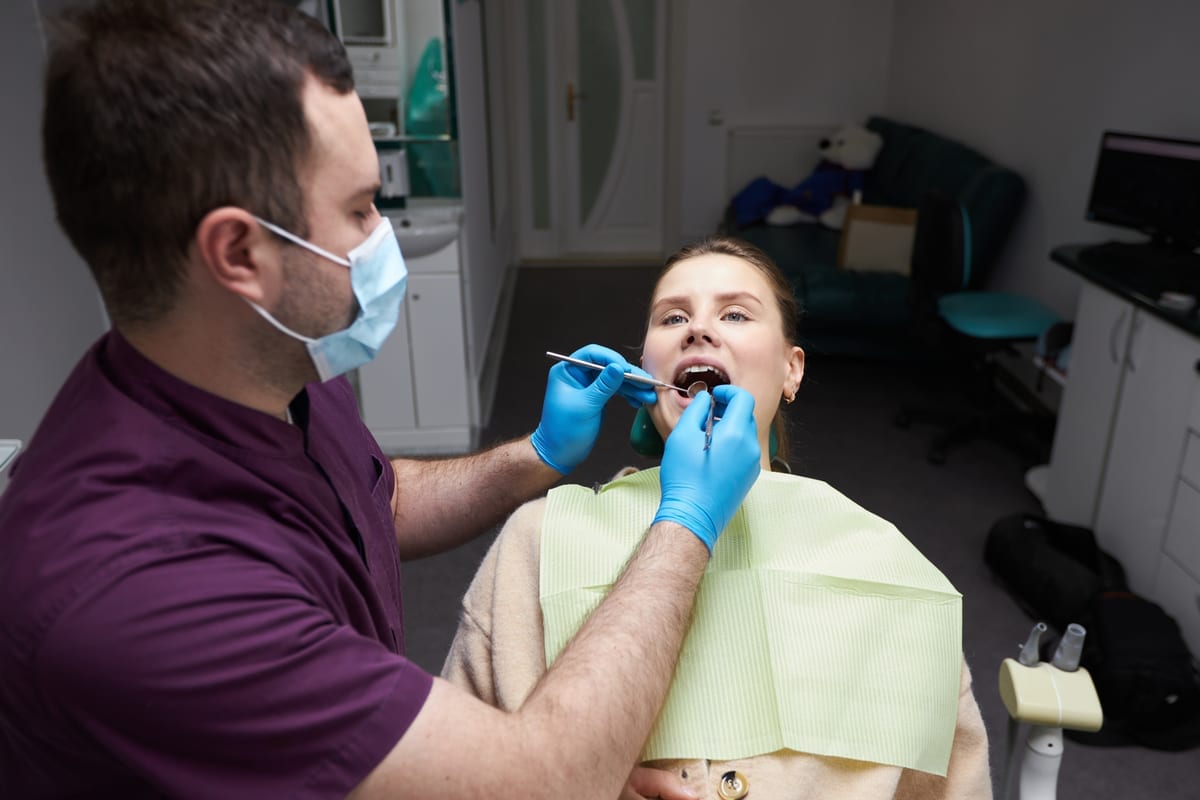
During your cleaning appointment, our hygienist uses specialized tools to remove buildup from your teeth. This process targets two main culprits: plaque and tartar. Plaque is the soft, sticky film that forms daily on your teeth. Tartar, also called calculus, is hardened plaque that brushing alone cannot remove.
Tartar buildup is a major cause of gum disease and tooth decay. Removing it protects your long-term oral health. The cleaning process also removes light surface stains caused by everyday habits like drinking coffee or tea.
Here is a quick breakdown of what a standard cleaning removes:
- Soft plaque deposits along the gumline and between teeth
- Hardened tartar that has bonded to tooth enamel
- Light extrinsic stains from coffee, tea, and food
- Bacteria-laden biofilm that contributes to bad breath
- Surface debris that builds up between regular visits
After scaling and polishing, your teeth often look noticeably cleaner. That fresh, smooth feeling is your enamel free of buildup. Many patients mistake this brightness for whitening — but these are two very different outcomes.
What a Teeth Cleaning in Schoharie Cannot Remove
This is where realistic expectations become essential. A professional cleaning has clear limits. It cannot remove deep or intrinsic stains that have set into the tooth structure itself. These stains live inside the enamel or dentin layer, not on the surface.
Common causes of intrinsic staining include:
- Long-term use of tetracycline antibiotics during tooth development
- Excessive fluoride exposure during childhood (fluorosis)
- Natural aging, which thins enamel and reveals yellower dentin beneath
- Trauma to a tooth that causes internal discoloration
- Genetic factors that affect natural tooth color
These stains are not a sign of poor hygiene. They simply require a different solution. A cleaning polishes the outer surface, but it cannot reverse color changes that originate inside the tooth. This is a common source of post-cleaning disappointment for many patients.
Even stubborn external stains from years of heavy coffee, red wine, or tobacco use may only partially respond to polishing. If staining is significant, a cleaning clears the surface but does not bleach or lighten the underlying tooth shade.
When Teeth Whitening Is the Right Next Step
If you finish your cleaning and still feel unhappy with your tooth color, whitening may be the solution. Professional teeth whitening uses peroxide-based agents that penetrate enamel to break up discoloration molecules. This targets stains that polishing simply cannot reach.
Dr. Rosanne Morgan recommends scheduling your whitening treatment after a cleaning, not before. Here is why: a clean tooth surface absorbs the whitening agent more evenly. Tartar and plaque act as barriers that block the bleaching gel. Starting with a clean slate gives you the best possible results.
At SmileCross Dental, PLLC, we offer professional teeth whitening for patients who want a noticeably brighter smile. For deeply discolored teeth that do not respond well to whitening, veneers or dental crowns may be more effective options. Dr. Morgan will help you understand which path makes the most sense for your specific situation.
How Often Should Schoharie Patients Schedule a Cleaning?
Most adults benefit from a professional cleaning every six months. This schedule prevents tartar from accumulating and keeps your gums healthy. If you have gum disease or a history of heavy buildup, Dr. Morgan may recommend more frequent visits.
Consistent cleanings also give our team a chance to spot early signs of decay, gum issues, or other concerns. Catching problems early almost always means simpler and less costly treatment. If something unexpected does come up, like a cracked tooth or sudden tooth pain, our office also offers Emergency Dentistry for urgent situations.
Skipping cleanings may seem harmless, but it allows tartar to accumulate deep below the gumline. Advanced buildup can lead to infections that require treatment such as Root Canal Treatment. Prevention truly is the most effective approach to keeping your teeth healthy long-term.
What to Expect During Your Cleaning at SmileCross Dental
Understanding the process helps reduce any anxiety about your visit. Here is what typically happens during a routine cleaning at our Schoharie office:
- Review of your dental and health history — We update your records and note any changes since your last visit.
- Examination — Dr. Morgan or the hygienist checks for signs of decay, gum disease, or other concerns.
- Scaling — The hygienist carefully removes tartar and plaque from all tooth surfaces and along the gumline.
- Polishing — A gritty paste and a rotating brush smooth and shine the enamel surface.
- Flossing — The hygienist flosses between every tooth to remove any remaining debris.
- Rinse and review — We discuss your results and any recommendations for your next steps.
The entire appointment usually takes between 45 and 60 minutes for most patients. It is comfortable, thorough, and genuinely valuable for your long-term health.
Conclusion: A Cleaning Is the Foundation, Not the Finish Line
A professional teeth cleaning is one of the best investments you can make for your oral health. It removes plaque, tartar, and light surface stains — keeping your teeth and gums in strong shape. But it is not a substitute for whitening, and it cannot erase deep internal discoloration. Knowing what your teeth cleaning actually removes and what it doesn’t, here in Schoharie, helps you have an honest conversation with your dentist about your goals. Dr. Rosanne Morgan and the team at SmileCross Dental, PLLC are here to guide you toward the right treatment for your smile. Book Now to schedule your appointment with our team.
Frequently Asked Questions
Will a teeth cleaning make my teeth whiter?
A cleaning can make your teeth look brighter by removing light surface stains and polishing the enamel. However, it does not bleach or significantly change your tooth’s natural color. For a noticeably whiter smile, professional teeth whitening is the appropriate next step after a cleaning.
Why do my teeth still look yellow after a cleaning?
Yellow tones often come from intrinsic staining, which lives inside the tooth structure rather than on the surface. Aging, genetics, and certain medications can all cause this type of discoloration. A cleaning removes surface buildup but cannot alter the internal color of your teeth — whitening treatments or veneers may help.
How long does a professional teeth cleaning take?
Most routine cleanings at SmileCross Dental, PLLC take between 45 and 60 minutes. If you have significant tartar buildup or require a deeper cleaning, your appointment may take a bit longer. Dr. Rosanne Morgan and our team will always let you know what to expect before your visit begins.
Is it safe to whiten my teeth right after a cleaning?
Many dentists actually recommend whitening after a cleaning because a clean surface absorbs the whitening gel more evenly. Your hygienist will let you know if your gums or enamel need a short recovery period before treatment. In most cases, scheduling whitening shortly after a cleaning gives you the best possible results.
How often should I get a professional cleaning in Schoharie?
Most adults should schedule a professional cleaning every six months. If you have a history of gum disease, heavy tartar buildup, or other risk factors, Dr. Morgan may recommend more frequent visits. Consistent cleanings are one of the simplest ways to protect your oral health and avoid more complex treatments down the road.