Middletown
(845) 957-8453


If you’ve been living with a missing tooth, you’ve probably wondered: Am I really a candidate for dental implants? It’s one of the most common questions we hear at SmileCross Dental of Middletown. Patients from Mechanicstown, NY and surrounding areas come to us feeling unsure — and that’s completely understandable. This article answers your top questions honestly, so you can make a confident, informed decision.
What Makes Someone a Good Candidate for Dental Implants?
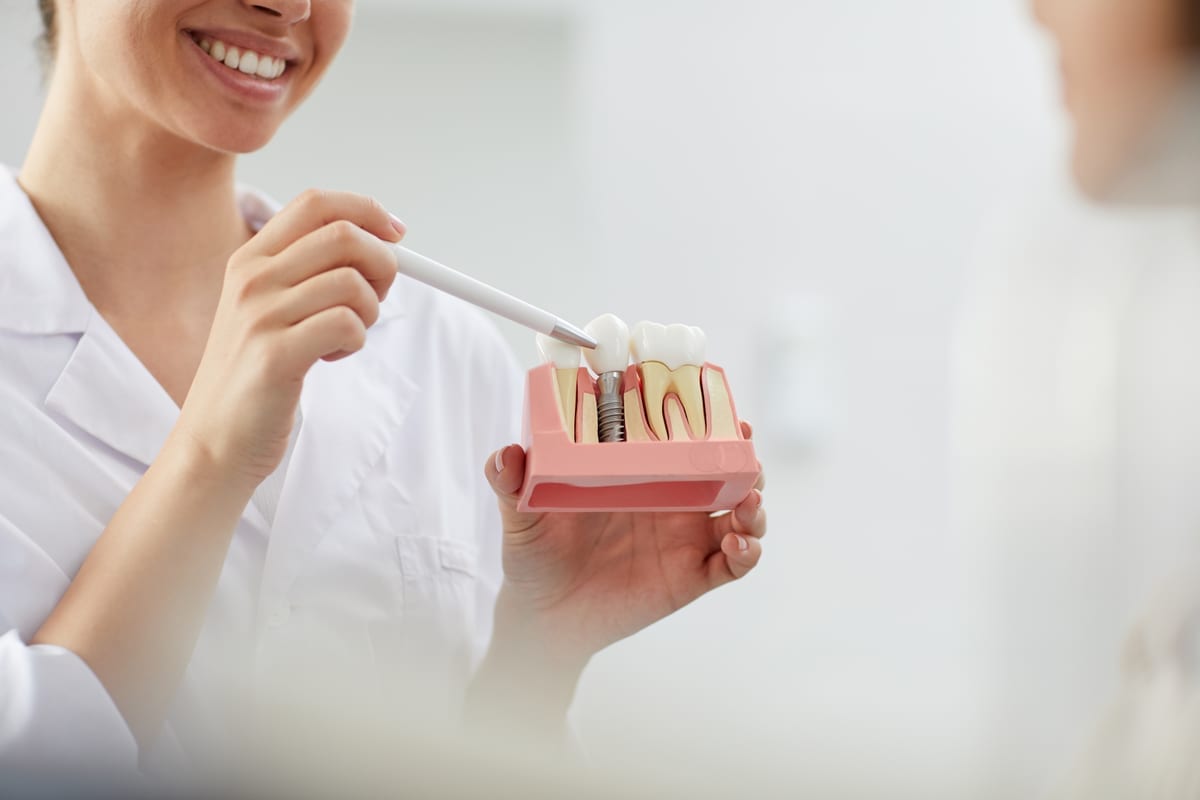
Dental implants are titanium posts that replace missing tooth roots. They fuse with your jawbone over time. This process, called osseointegration, requires a healthy foundation to succeed. The right candidate has enough bone density, healthy gums, and a generally stable health history.
Most adults in good overall health qualify. You don’t need to be young or perfectly healthy. However, certain factors do affect whether implants are right for you right now. Dr. Sharon Garma evaluates each patient individually — there’s no one-size-fits-all answer here.
Here’s a quick look at what dentists typically assess:
- Jawbone density and volume
- Gum tissue health
- Overall medical history
- Tobacco and smoking habits
- Age and development stage
- Commitment to oral hygiene after placement
Does Age Affect Your Candidacy for Dental Implants in Mechanicstown?
Age is a factor — but maybe not in the way you’d expect. Older adults are often excellent candidates for implants. There’s no upper age limit for the procedure. What matters is your bone health and overall wellness, not your birth year.
Younger patients, however, do face one key restriction. Dental implants require a fully developed jaw. That means most dentists wait until a patient is at least 17–18 years old for women and 18–21 for men. Placing an implant too early can disrupt natural jaw growth.
For seniors living in Mechanicstown, implants can be life-changing. They restore chewing function and protect remaining bone. Many patients in their 60s, 70s, and even 80s have successful implant outcomes. Age alone is rarely a reason to say no.
How Does Bone Density Impact Implant Eligibility?
Bone density is one of the most critical factors in implant candidacy. The implant post must fuse securely with your jawbone. If your bone is too thin or too soft, the implant may not hold properly. This is why we take detailed imaging before recommending any treatment.
Bone loss often happens after a tooth is extracted. The longer a tooth has been missing, the more bone may have diminished. This doesn’t automatically disqualify you. A procedure called bone grafting can rebuild lost bone volume before implant placement.
Conditions like osteoporosis can also reduce bone density. Certain medications for osteoporosis — particularly bisphosphonates — may affect healing. Dr. Garma reviews your full medication list during consultation. Transparency about your health history helps us plan the safest path forward.
Can Health Conditions Prevent You From Getting Implants?
Several health conditions require extra attention during implant planning. Uncontrolled diabetes is one of the most important. High blood sugar slows healing and raises infection risk. However, well-managed diabetes doesn’t automatically exclude you from treatment.
Autoimmune disorders, heart conditions, and bleeding disorders also need careful evaluation. Some patients may need medical clearance from their physician first. This is a standard and protective step — not a barrier. We coordinate with your other healthcare providers when needed.
Patients who have had head or neck radiation therapy may face additional challenges. Radiation can reduce blood supply to the jaw. This affects how well implants integrate over time. Every case is different, and Dr. Garma will walk you through your specific situation clearly.
Other conditions we assess include:
- Gum disease (periodontitis)
- Teeth grinding (bruxism)
- Active oral infections
- Immune-suppressing medications
- Poorly controlled blood pressure
Does Smoking Affect Your Dental Implant Outcome?
Smoking is one of the most significant risk factors for implant failure. Tobacco reduces blood flow to the gums and slows healing. It also increases the risk of infection around the implant site. Studies consistently show lower implant success rates in smokers.
That said, being a smoker doesn’t automatically mean implants are off the table. Many smokers have successful implants — especially when they quit or significantly reduce use before and after surgery. Dr. Garma will discuss the real risks with you honestly. The goal is always to give you the best possible outcome.
Vaping and smokeless tobacco carry similar risks. If you’re a tobacco user, quitting is one of the best things you can do — for your implant and your overall health. We can help connect you with resources to support that decision.
What If You’re Not Ready for Implants Right Now?
Sometimes a patient wants implants but needs preparation work first. That’s completely normal. Conditions like gum disease must be treated before implants are placed. We may also need to address bone loss with grafting procedures ahead of time.
In urgent situations, we’re always here for Emergency Dentistry needs that arise before or during your implant journey. Tooth pain or infection should never go untreated. We’ll stabilize your situation first and then map out your implant plan.
Sometimes a tooth can be saved with Root Canal Treatment instead of extraction. Keeping your natural tooth is always the first priority when possible. Implants are an excellent solution when a tooth truly cannot be saved. We’ll always guide you toward the most conservative effective option.
Taking the Next Step Toward Dental Implants in Mechanicstown
You don’t have to figure this out alone. The only way to truly know if you’re a candidate is a personalized consultation with Dr. Sharon Garma. She’ll review your dental X-rays, health history, and goals to give you a clear picture. Many patients are surprised to learn they qualify — even with health concerns they thought were dealbreakers.
SmileCross Dental of Middletown is proud to serve patients from Mechanicstown and throughout the Hudson Valley. We believe every patient deserves honest, compassionate answers. You deserve a smile that works and feels like your own. Book Now to schedule your appointment with our team.
Frequently Asked Questions
What is the minimum age for dental implants?
Most dentists recommend waiting until the jaw is fully developed — typically around 18 for women and 18–21 for men. There is no maximum age limit. Older adults in good health are often excellent candidates.
Can I get dental implants if I have diabetes?
Yes, in many cases. Well-managed diabetes does not automatically disqualify you. However, uncontrolled blood sugar can impair healing and raise infection risk. Dr. Garma will review your current health status and work with your physician if needed.
What happens if I don’t have enough bone for implants?
Bone grafting is a common solution. This procedure adds bone volume to your jaw before implant placement. It does extend the overall timeline, but it gives many patients a path to successful implants who might otherwise not qualify.
How long does the dental implant process take?
The full process typically takes several months from start to finish. After the implant post is placed, your jawbone needs time to fuse with it — usually three to six months. Then the crown is attached. Your specific timeline depends on your individual healing and any preparatory procedures needed.
Is it painful to get dental implants?
Most patients report that the procedure is more comfortable than expected. Local anesthesia is used during surgery to minimize discomfort. Some soreness and swelling occur in the days after placement. Over-the-counter pain relievers and follow-up care help most patients manage recovery comfortably.