Middletown
(845) 957-8453


Many patients in Scotchtown, NY come in expecting their teeth to look dramatically brighter after a cleaning. That is a completely understandable hope. Understanding what your cleaning can and can’t remove from your teeth in Scotchtown helps set realistic expectations. It also helps you make smarter decisions about your smile goals.
A professional dental cleaning does far more than most people realize. At the same time, it has real limits. Knowing the difference between what a cleaning addresses and what requires cosmetic treatment can save you frustration. Dr. Sharon Garma at SmileCross Dental of Middletown wants every patient to walk away informed.
What a Professional Cleaning Actually Does to Your Teeth
A professional cleaning targets two main culprits: plaque and tartar. Plaque is a soft, sticky film of bacteria that builds up daily. Tartar, also called calculus, is hardened plaque that brushing cannot remove at home. A dental hygienist uses specialized tools to scrape and polish these deposits away.
During your visit, your hygienist will also remove surface stains caused by everyday habits. Coffee, tea, red wine, and tobacco leave pigmented residue on enamel. These extrinsic stains sit on the outside layer of your teeth. Polishing during a cleaning can lift many of these visible surface discolorations effectively.
A thorough cleaning also protects your gum health. When tartar builds up below the gumline, it triggers inflammation. Left untreated, this can develop into Gum Disease Treatment-level concerns that go beyond a standard cleaning appointment. Staying consistent with your cleanings is one of the best ways to prevent this progression.
Stains a Cleaning Can Remove in Scotchtown
Not all stains are equal, and some respond very well to a professional cleaning. Here are the types of surface discoloration a cleaning commonly addresses:
- Coffee and tea stains — These tannin-based stains cling to enamel but sit on the surface layer.
- Tobacco stains — Light to moderate nicotine and tar deposits can be polished away during your visit.
- Food pigments — Berries, tomato sauce, soy sauce, and other strongly pigmented foods leave surface residue.
- Early plaque discoloration — Yellowing caused by plaque buildup often clears with a thorough scaling and polishing.
- Mineral deposits — Light calculus buildup that causes off-white or tan discoloration responds well to cleaning tools.
These are all considered extrinsic stains. They live outside the tooth structure itself. Because of this, mechanical polishing and scaling can physically remove them. Many patients are pleasantly surprised by how much brighter their teeth look after just one appointment.
Keep in mind that results vary depending on how long the stains have been present. Deeply set surface stains that have accumulated over years may not fully clear in one session. Your hygienist will let you know what to expect during your specific visit.
What a Cleaning Cannot Remove From Your Teeth
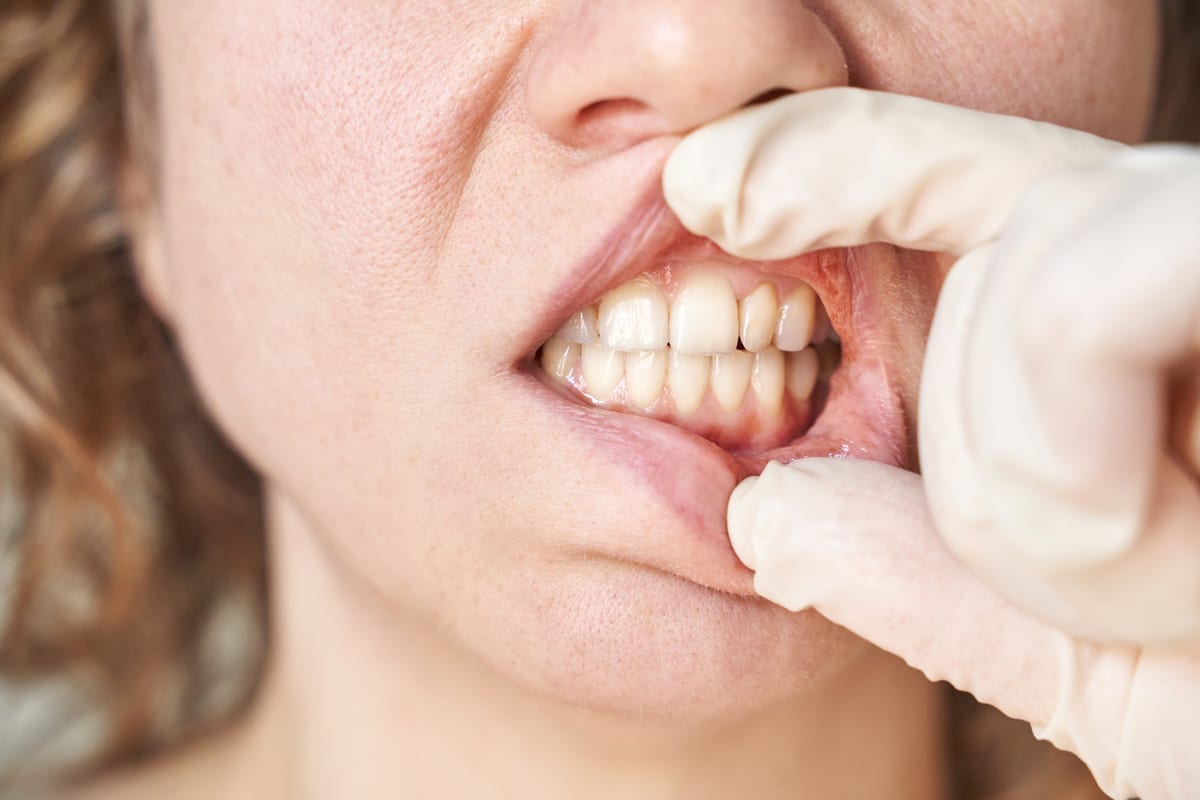
This is where many patients feel let down — not because of poor care, but because of mismatched expectations. A standard cleaning cannot remove intrinsic stains. These stains exist inside the tooth structure itself, not on its surface.
Intrinsic discoloration comes from several sources. Aging naturally darkens the inner layer of the tooth called dentin. Certain antibiotics taken during childhood, like tetracycline, can permanently affect tooth color. Trauma to a tooth can also cause internal darkening over time.
Here are common causes of staining that a cleaning will not fix:
- Aging-related yellowing — As enamel thins, the darker dentin beneath becomes more visible.
- Antibiotic staining — Tetracycline and similar medications can cause gray or brown banding inside the tooth.
- Fluorosis — Overexposure to fluoride during tooth development causes white spots or streaking.
- Tooth trauma — A previously injured tooth may darken from within due to internal bleeding or nerve changes.
- Restorations — Old fillings, Dental Crowns And Bridges, or bonding materials do not respond to cleaning or whitening the same way natural enamel does.
Understanding this distinction matters. If your discoloration is intrinsic, no amount of cleaning or even standard whitening gel will fully resolve it. Those cases typically require cosmetic solutions like veneers or other restorative options.
When You Need Whitening Instead of Just a Cleaning
If your teeth look dull or yellow after a fresh cleaning, whitening may be the right next step. Professional whitening uses a peroxide-based gel to penetrate enamel and break up deep pigment. This targets discoloration that polishing tools simply cannot reach.
Dr. Sharon Garma recommends completing your cleaning before starting any whitening treatment. Clean teeth absorb whitening agents more evenly and effectively. Attempting to whiten over plaque or tartar leads to uneven results and potential sensitivity.
It is also worth noting that whitening works best on natural tooth enamel. Existing crowns, veneers, and tooth-colored fillings will not lighten with whitening products. Your dentist will help you understand which teeth can be treated and how to match shades across your smile.
Patients in Scotchtown dealing with stubborn intrinsic stains may find that porcelain veneers offer the most complete and lasting transformation. Veneers cover the entire visible surface of the tooth and can be color-matched precisely. This option is worth exploring during a consultation if whitening alone is not enough.
How to Keep Your Teeth Cleaner Between Appointments
Preventing stain buildup between visits is largely about daily habits. Brushing twice daily with a whitening toothpaste helps reduce surface pigment accumulation. Rinsing with water after consuming staining foods or beverages also makes a real difference.
Using a straw when drinking coffee, tea, or dark sodas limits direct contact with your enamel. It is a simple change that many patients overlook. Quitting or reducing tobacco use not only improves staining but dramatically benefits your overall oral health as well.
Scheduling regular cleanings every six months gives your hygienist the chance to catch buildup before it becomes deeply embedded. Patients who keep consistent appointments tend to have noticeably cleaner, brighter teeth over time. Prevention is always easier than correction.
Frequently Asked Questions
Will my teeth look whiter after a professional cleaning?
They may look somewhat brighter, especially if surface stains from coffee, tea, or tobacco are removed. However, a cleaning is not the same as whitening treatment. If your discoloration is internal, you will likely need a separate whitening or cosmetic procedure to see a significant color change.
How often should I get a professional cleaning in Scotchtown?
Most patients benefit from a cleaning every six months. Some individuals with gum concerns or heavy plaque buildup may need more frequent visits. Dr. Sharon Garma will recommend the right schedule based on your specific oral health needs during your exam.
Can whitening toothpaste replace a professional cleaning?
No, whitening toothpaste can help reduce minor surface staining between visits. However, it cannot remove tartar or address deeper discoloration. Professional cleanings use tools and techniques that go far beyond what any toothpaste can accomplish at home.
What causes teeth to look yellow even after a cleaning?
Yellow tones that remain after cleaning are usually caused by intrinsic factors like aging, genetics, or medication history. The inner layer of the tooth, called dentin, naturally becomes more visible over time as enamel thins. Whitening treatments or veneers are typically needed to address this type of discoloration.
Is it safe to get teeth whitening right after a cleaning?
Yes, and it is actually the ideal time. Your teeth are free of plaque and tartar, which allows the whitening gel to penetrate evenly and work more effectively. Your dentist at SmileCross Dental of Middletown can discuss the best whitening option for your smile during your appointment.
Whether you are dealing with surface buildup or stubborn deep staining, understanding the difference is your first step toward a brighter smile. Dr. Sharon Garma and the team at SmileCross Dental of Middletown are here to guide Scotchtown patients through every option. Book Now to schedule your appointment with our team.