Middletown
(845) 957-8453


Many patients in Middletown, NY ask the same important question before scheduling a whitening appointment. Is professional teeth whitening safe for your enamel and gums in Middletown? It is a fair concern, and the answer deserves a clear, honest explanation. Dr. Sharon Garma at SmileCross Dental of Middletown wants every patient to make informed decisions about their oral health.
Teeth whitening is one of the most requested cosmetic dental services today. But safety should always come before aesthetics. This article breaks down what professional whitening actually does to your teeth, what risks exist, and who may need to think twice before starting treatment.
How Professional Teeth Whitening Works on Enamel
Professional whitening uses peroxide-based gels to lift stains from tooth enamel. The active ingredient — hydrogen peroxide or carbamide peroxide — penetrates the outer enamel layer. It breaks apart stain molecules without cutting or abrading the tooth surface. This is a key difference from abrasive whitening toothpastes.
Enamel is the hardest substance in the human body. It does not grow back once it is lost. Many patients worry that whitening chemicals will erode or thin their enamel over time. Research, however, shows that professionally supervised whitening does not measurably damage enamel when used correctly.
The concentration of the whitening agent matters greatly. In-office treatments supervised by a dentist use controlled concentrations. Over-the-counter strips and gels often vary in strength and application time. This variability is one reason professional whitening is generally considered the safer option for your enamel.
Is Professional Teeth Whitening Safe for Sensitive Gums in Middletown?
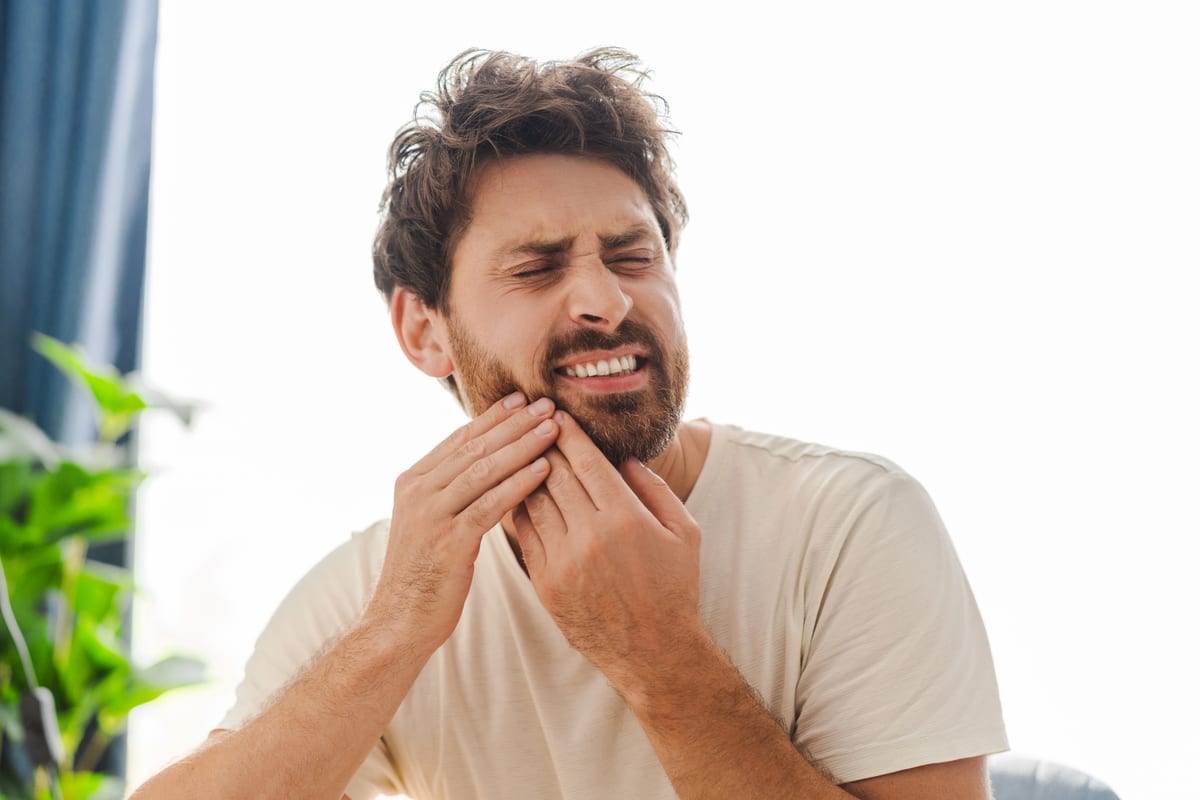
Gum sensitivity is one of the most common concerns patients raise before whitening treatment. Whitening gel that contacts gum tissue can cause temporary irritation or a mild burning sensation. This typically resolves within a few hours after treatment ends.
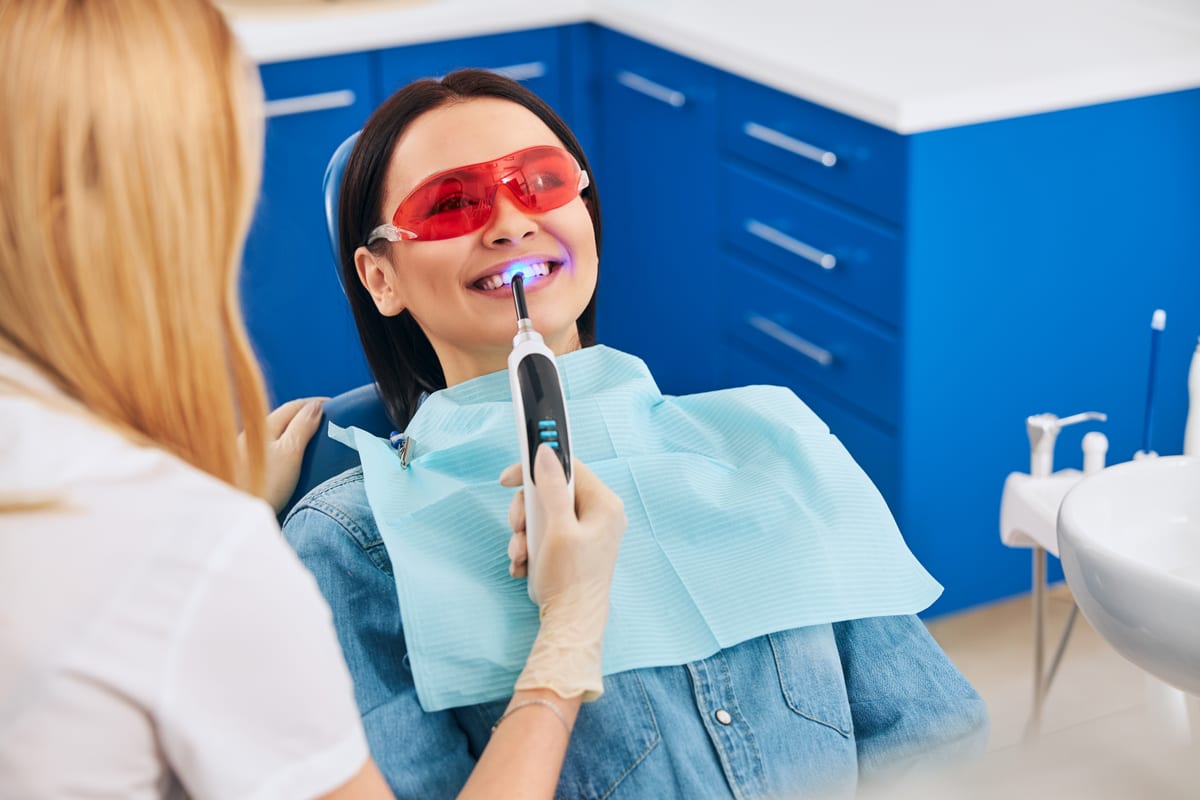
In-office whitening includes protective barriers placed over the gum line before gel application. These barriers prevent direct contact between the peroxide and soft tissue. At SmileCross Dental of Middletown, Dr. Garma carefully applies these protections before every in-office whitening session.
Patients with existing gum disease, receding gums, or exposed root surfaces face a higher risk of sensitivity. Whitening gel can irritate exposed dentin and inflamed gum tissue more easily. If you have active gum problems, it is wise to address those first before whitening.
- Gum barriers protect soft tissue during in-office whitening
- Temporary sensitivity usually resolves within 24 to 48 hours
- Exposed roots are more vulnerable to whitening gel irritation
- Active gum disease should be treated before any whitening procedure
- A professional evaluation helps identify your personal risk level
Who Should Avoid or Delay Teeth Whitening?
Not every patient is an ideal candidate for teeth whitening. Certain conditions make whitening less effective or potentially harmful. Knowing these situations helps you make the right decision for your oral health.
Pregnant or nursing women should avoid whitening treatments. The safety of peroxide gel on developing fetuses has not been fully studied. Dentists generally recommend waiting until after pregnancy and breastfeeding.
Children under the age of 16 should not undergo peroxide-based whitening. Their pulp chambers are still large and more sensitive to chemical penetration. Whitening in younger patients can increase the risk of tooth sensitivity and discomfort.
Patients with the following conditions should consult Dr. Garma before starting whitening:
- Untreated cavities or tooth decay
- Cracked teeth or compromised enamel
- Severe gum recession or active periodontal disease
- Known allergies to peroxide compounds
- Crowns, veneers, or bonding on front teeth — whitening gel does not change the color of dental restorations
Teeth whitening also does not work on discoloration caused by certain medications, trauma, or internal tooth changes. A professional evaluation identifies the root cause of staining before treatment begins.
Professional Whitening vs. Store-Bought Kits — A Safety Comparison
Store-bought whitening kits are widely available and appear affordable. However, they carry a different safety profile than professional whitening. Understanding the differences helps patients choose wisely.
Over-the-counter products use lower peroxide concentrations. This means results are slower and often less predictable. Patients sometimes extend treatment beyond instructions to achieve faster results, which increases sensitivity risk.
Generic trays included in store kits do not fit your teeth precisely. Ill-fitting trays allow gel to leak onto gum tissue. This increases the risk of gum irritation and uneven whitening results.
Professional whitening offers custom-fitted trays made from impressions of your actual teeth. This precision reduces gel exposure to gums and ensures even coverage. Dr. Garma can also monitor your response throughout the process and adjust treatment if sensitivity develops.
Managing Sensitivity After Professional Whitening
Some tooth sensitivity after whitening is normal and expected. Teeth may feel more reactive to cold temperatures or sweet foods for a day or two. This sensitivity is temporary in most cases and not a sign of permanent damage.
There are practical steps patients can take to reduce post-whitening discomfort. Using a sensitivity toothpaste with potassium nitrate before and after treatment helps significantly. Avoiding very hot, cold, or acidic foods for 48 hours after whitening also reduces irritation.
Dr. Garma may recommend a fluoride treatment following whitening to help remineralize and protect enamel. This step supports enamel strength and reduces post-treatment sensitivity. Patients with a history of sensitive teeth should discuss this with their dentist before whitening begins.
If sensitivity persists beyond a few days or becomes severe, contact your dentist promptly. Prolonged pain after whitening is uncommon but may indicate an underlying issue. Conditions like a cracked tooth or deep decay can become more noticeable after whitening treatment. In some cases, dental concerns unrelated to whitening — such as needing Root Canal Treatment Middletown — may be identified during a whitening consultation. If you are ever experiencing sudden or severe dental pain, Emergency Dentistry Middletown is available to provide timely care.
What to Expect at a Professional Whitening Consultation in Middletown
Before any whitening treatment begins, Dr. Garma conducts a full oral health evaluation. This includes checking for cavities, gum health, and any existing restorations on visible teeth. This step ensures whitening is both safe and likely to achieve the results you want.
During this visit, you will discuss your goals and learn which whitening approach fits your situation. Options may include in-office whitening for faster results or take-home custom trays for gradual improvement. Both methods use professional-grade materials under dental supervision.
Patients leave this consultation with a clear understanding of what to expect. There are no surprises about sensitivity, duration, or realistic outcomes. Education and transparency are central to care at SmileCross Dental of Middletown.
Teeth whitening can be a safe and effective treatment when approached carefully. The key is professional oversight, proper patient selection, and realistic expectations. Book Now to schedule your appointment with our team.
Frequently Asked Questions
Does professional teeth whitening damage tooth enamel?
Research shows that professionally supervised whitening does not measurably damage healthy enamel when used as directed. The peroxide gel lifts surface stains without eroding the enamel structure. Professional oversight ensures the correct concentration and application time are used safely.
How long does teeth sensitivity last after whitening?
Most patients experience mild sensitivity for 24 to 48 hours after a whitening treatment. Using a sensitivity toothpaste and avoiding extreme temperatures helps reduce discomfort. If sensitivity lasts longer than a few days, contact your dentist for an evaluation.
Can whitening gel harm my gums?
Whitening gel can irritate gum tissue if it makes direct contact during treatment. Professional whitening uses protective gum barriers to prevent this. Patients with active gum disease or significant gum recession face a higher risk and should consult their dentist before whitening.
Is teeth whitening safe during pregnancy?
Most dental professionals recommend avoiding whitening treatments during pregnancy and while breastfeeding. The safety of peroxide-based gels for developing babies has not been fully established. It is best to wait until after pregnancy before beginning any whitening procedure.
Will whitening work on crowns or veneers?
Whitening agents do not change the color of dental restorations such as crowns, veneers, or bonded fillings. Only natural tooth enamel responds to peroxide-based whitening gels. Your dentist will evaluate your existing restorations before recommending a whitening treatment plan.