Middletown
(845) 957-8453


If you are an adult thinking about straightening your teeth, you have probably asked this question: Invisalign vs. Braces — which is really better for adults in Washington Heights? The answer depends on your lifestyle, dental needs, and personal priorities. At SmileCross Dental of Middletown, Dr. Sharon Garma helps adult patients weigh both options carefully. This guide breaks down everything you need to know before making your decision.
Invisalign vs. Braces: Understanding the Core Differences
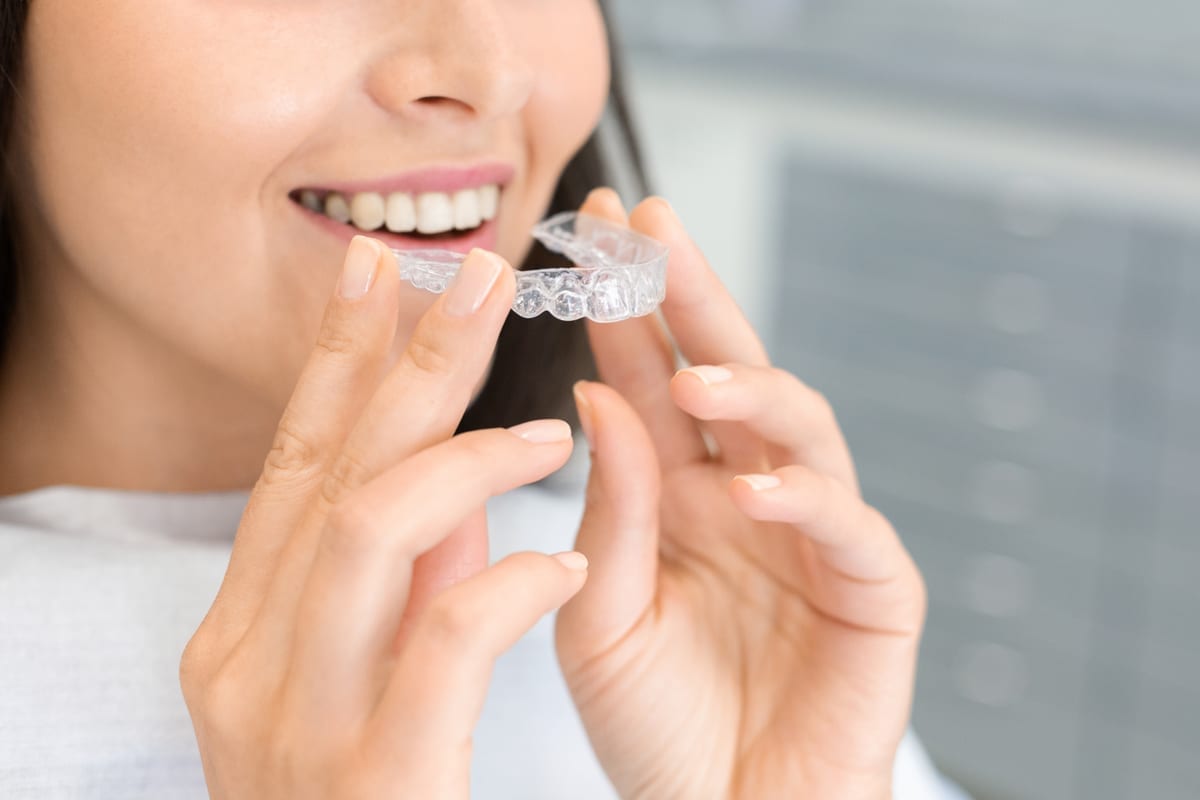
Traditional braces use metal brackets and wires to shift teeth over time. They are fixed to your teeth and adjusted regularly by your dentist. Invisalign uses a series of clear, removable plastic aligners instead. Each set of aligners moves your teeth gradually toward the desired position.
Both systems can produce excellent results for adults. However, the experience of wearing each one differs significantly. Braces work around the clock without any action required from you. Invisalign requires consistent wear — ideally 20 to 22 hours per day — to stay effective.
For adults in Washington Heights balancing busy schedules, this distinction matters a great deal. Understanding how each option fits into your daily life is the first step toward making the right choice.
Comfort and Appearance: How Each Option Feels and Looks
Comfort is one of the biggest concerns adults raise during consultations. Metal braces can cause irritation to the inside of your cheeks, especially after adjustments. Wires and brackets sometimes create sore spots that take time to heal. Many adults find this discomfort manageable but noticeable.
Invisalign aligners are generally smoother and less likely to irritate soft tissue. Some patients experience mild pressure when switching to a new aligner set. This pressure typically fades within a day or two. Overall, most adults report that Invisalign feels more comfortable during treatment.
Appearance is another major factor. Braces are visible and draw attention to your teeth. Invisalign aligners are nearly invisible in most lighting conditions. For professionals and adults who interact with the public frequently, this can be a significant advantage.
- Braces are noticeable and may affect confidence in social settings
- Invisalign aligners are clear and discreet for daily wear
- Both options produce visible progress over time
- Invisalign allows you to remove aligners for special occasions
Compliance, Maintenance, and Daily Life in Washington Heights
One major difference between the two systems is compliance. Braces require no discipline to stay on — they work continuously. Invisalign depends entirely on how consistently you wear your aligners. If you remove them too often, your treatment timeline can stretch out significantly.
Food restrictions also differ between the two options. With braces, you must avoid hard, sticky, or crunchy foods that can damage brackets. Invisalign allows you to eat whatever you like — simply remove the aligners before meals. This makes dining out and enjoying social events much easier.
Oral hygiene is also simpler with Invisalign. You can remove the aligners to brush and floss normally. Braces require special tools and techniques to clean around brackets and wires effectively. Poor hygiene with braces can lead to staining or even cavities beneath the brackets.
Adults in Washington Heights with active social lives often prefer Invisalign for these practical reasons. However, patients who know they struggle with self-discipline may actually do better with braces. Honest self-assessment is an important part of this decision.
Treatment Scope and Cost: What Invisalign and Braces Can Each Address
Not every orthodontic case is the same. Braces have a longer track record for treating complex alignment issues. They can address severe crowding, significant bite problems, and complex tooth rotation. Orthodontists have used them successfully for decades across a wide range of cases.
Invisalign technology has improved dramatically in recent years. Modern Invisalign can treat many moderate to complex cases effectively. However, some severe bite issues and rotations may still require braces for the best result. Dr. Sharon Garma will evaluate your specific situation during your consultation at SmileCross Dental of Middletown.
Cost is another important consideration. Both options are a financial investment. Invisalign and braces tend to fall within a similar price range in most markets. The exact cost depends on case complexity and treatment length. Discussing your budget openly with your dental provider helps set realistic expectations.
- Braces are often preferred for severe misalignment or bite correction
- Invisalign works well for mild to moderate cases and many complex ones
- Treatment duration ranges from 12 to 24 months for most adults
- Both options require retainers after treatment to maintain results
- A thorough dental exam helps determine which system fits your needs
Other Dental Health Factors to Consider Before Starting Treatment
Before starting any orthodontic treatment, your overall dental health should be in good shape. Active gum disease or untreated cavities need to be addressed first. Moving teeth with underlying dental problems can worsen those conditions over time.
Tooth pain or sensitivity should always be evaluated before beginning alignment treatment. In some cases, patients may need Root Canal Treatment to resolve infection before orthodontic work begins. Starting treatment with healthy teeth and gums leads to better, more predictable outcomes.
Dental emergencies can also interrupt orthodontic treatment unexpectedly. Knowing where to turn for Emergency Dentistry can protect your investment and keep your treatment on track. SmileCross Dental of Middletown is equipped to handle both routine and urgent dental needs for adult patients.
Making Your Decision: Which Option Is Right for You?
The best choice between Invisalign and braces depends on several personal factors. Think about how much the appearance of your smile matters during treatment. Consider how disciplined you are about following instructions. Reflect on whether food restrictions would significantly impact your quality of life.
Adults who prioritize discretion and flexibility tend to prefer Invisalign. Those with more complex cases or who prefer a hands-off approach may benefit more from braces. Neither option is universally superior — the right choice is the one that fits your life and your dental needs.
Dr. Sharon Garma and the team at SmileCross Dental of Middletown are here to guide you through this decision. A personalized consultation gives you the information you need to feel confident in your choice. Book Now to schedule your appointment with our team.
Frequently Asked Questions
Is Invisalign or braces more effective for adults?
Both options are effective for adult orthodontic treatment. Braces may be better for complex cases involving severe crowding or significant bite issues. Invisalign works well for mild to moderate cases and has improved for complex cases too. Your dentist will recommend the best option based on your specific needs.
How long does Invisalign treatment take for adults?
Most adult Invisalign treatments take between 12 and 18 months. Complex cases may take up to 24 months or longer. Treatment time depends on how consistently you wear your aligners and how much correction is needed. Wearing aligners 20 to 22 hours per day keeps treatment on schedule.
Can adults in Washington Heights get Invisalign at SmileCross Dental?
Yes. Dr. Sharon Garma at SmileCross Dental of Middletown offers Invisalign for adult patients. The practice serves patients from across the region, including Washington Heights. A consultation will determine whether you are a good candidate for Invisalign or whether braces would better suit your case.
Do braces or Invisalign require more maintenance?
Braces require more careful oral hygiene and food restrictions throughout treatment. Invisalign aligners are removable, making brushing and flossing much easier. Both options require regular dental check-ins to monitor progress. Good hygiene practices are essential regardless of which system you choose.
What happens after orthodontic treatment ends?
After completing treatment with either braces or Invisalign, you will need to wear a retainer. Retainers prevent your teeth from shifting back to their original positions. Your dentist will provide instructions on how often to wear your retainer. Skipping retainer use is one of the most common reasons teeth shift after treatment.