Middletown
(845) 957-8453


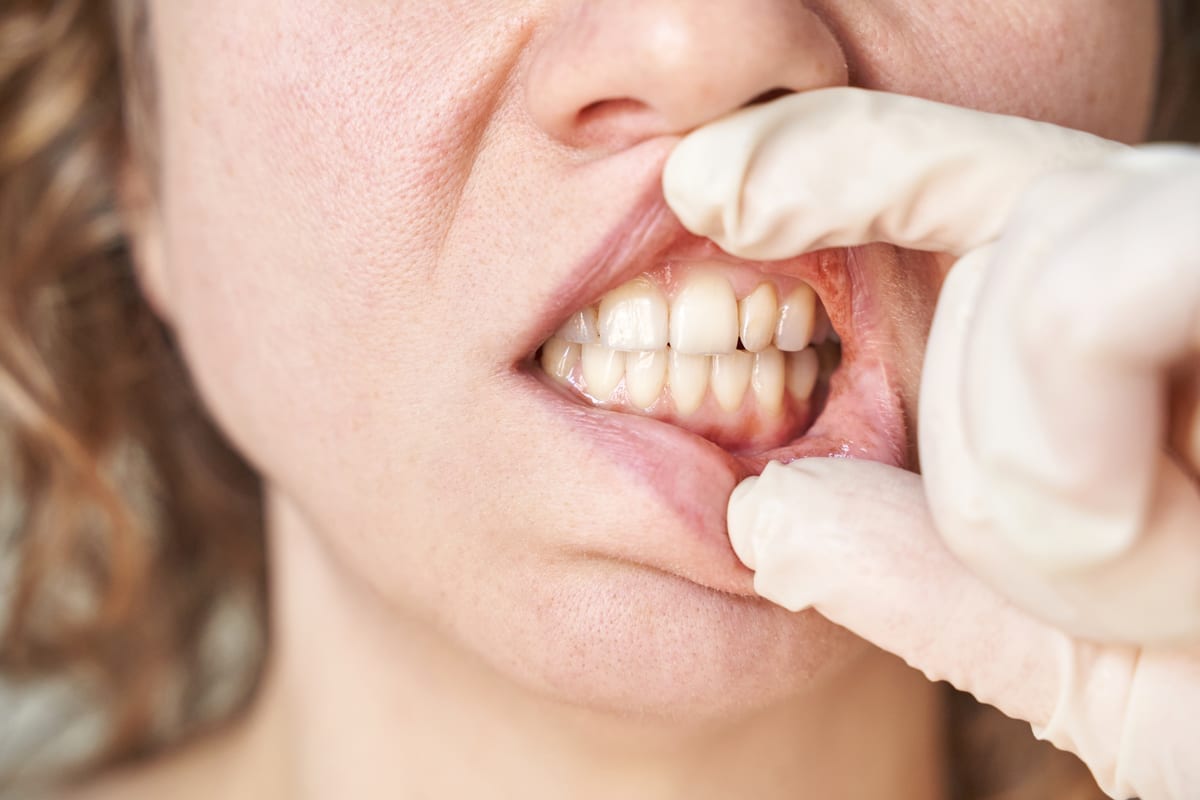
If you have a missing tooth, you are not alone. Many patients in Middletown, NY face this same challenge every year. Asking yourself is a dental bridge right for your missing tooth in Middletown is a great first step. At SmileCross Dental of Middletown, Dr. Sharon Garma helps patients understand all their options clearly before making any decisions.
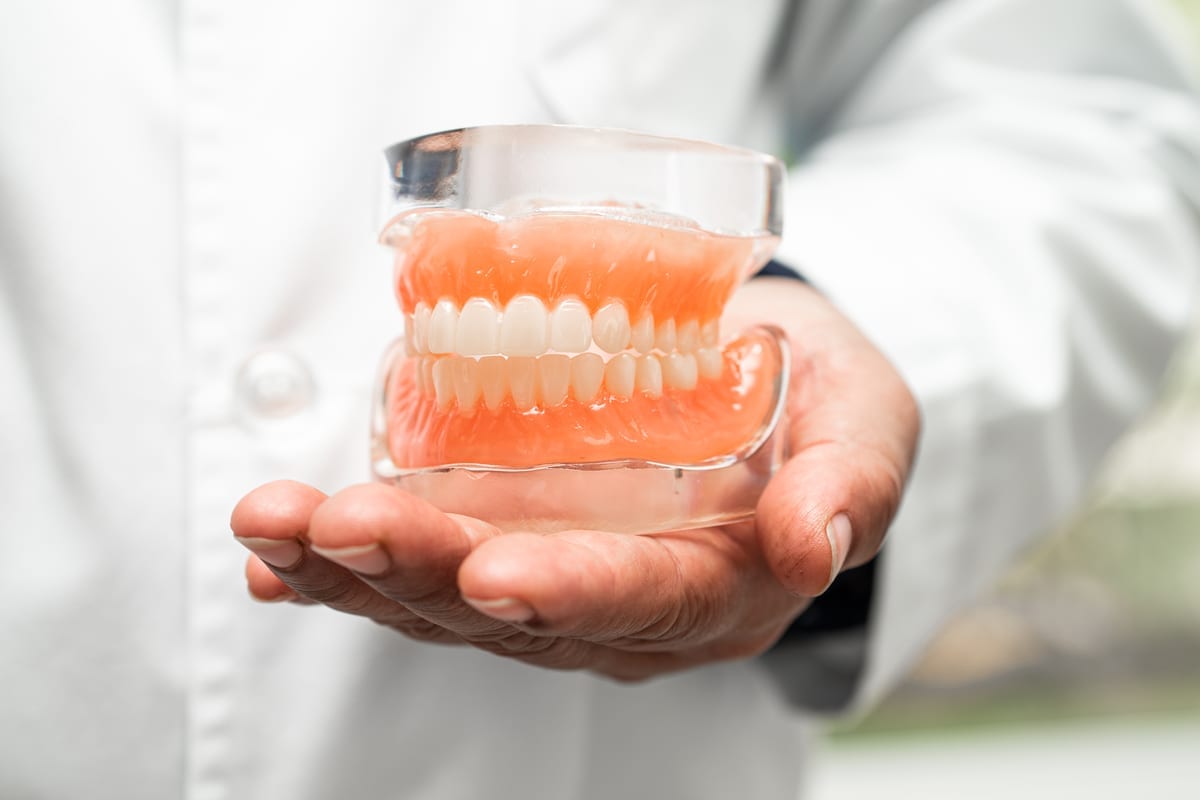
A dental bridge is a fixed restoration that literally bridges the gap left by one or more missing teeth. It anchors to the healthy teeth on either side of the gap. The result is a natural-looking, fully functional replacement. Understanding whether you are a good candidate is the key to a successful outcome.
Who Is a Good Candidate for a Dental Bridge in Middletown?
Not every patient with a missing tooth will automatically qualify for a dental bridge. Candidacy depends on several important factors. Dr. Garma evaluates each patient individually before recommending any treatment plan.
First, you need healthy teeth on either side of the gap. These teeth, called abutment teeth, anchor the bridge in place. They must be strong enough to support the restoration long-term. If they have significant decay or damage, other options may work better.
Second, your gum health matters greatly. Active gum disease can compromise the stability of any dental restoration. Dr. Garma will assess your gum tissue before moving forward. Treating gum issues first often improves outcomes dramatically.
Good candidates for a dental bridge typically share these traits:
- One or more adjacent missing teeth in the same area
- Healthy surrounding teeth with adequate bone support
- Good overall oral hygiene habits
- No untreated gum disease or active infection
- A commitment to regular dental check-ups
What Does the Dental Bridge Evaluation Involve?
When you visit SmileCross Dental of Middletown, Dr. Garma begins with a thorough examination. This is not a quick glance — it is a comprehensive assessment of your entire oral health. The goal is to gather all the information needed to make the best recommendation for you.
The evaluation typically includes dental X-rays. These images reveal the condition of your jawbone and surrounding teeth. Dr. Garma looks for any hidden decay, bone loss, or structural concerns. This step helps rule out complications before treatment begins.
Your bite alignment is another critical factor. A bridge must fit precisely so it does not create uneven pressure. Misalignment can cause the bridge to fail prematurely. Dr. Garma checks how your upper and lower teeth come together during this visit.
The evaluation process at our Middletown practice includes:
- Full oral examination and health history review
- Digital X-rays to assess bone density and tooth structure
- Gum tissue evaluation for signs of disease
- Bite assessment and jaw alignment check
- Discussion of your goals, concerns, and lifestyle factors
When a Dental Bridge May Not Be the Best Choice
A dental bridge is an excellent solution — but it is not always the right one. Some patients may benefit more from dental implants or other restorations. Dr. Garma will always be honest about which option fits your situation best.
For example, if you are missing multiple teeth in different areas of your mouth, a bridge may not be practical. Implants can replace individual teeth without altering surrounding healthy teeth. This makes implants a strong alternative for certain patients.
Sometimes a tooth looks missing but actually needs Root Canal Treatment Middletown to be saved first. Extracting a tooth too quickly can eliminate options that might preserve your natural smile. Dr. Garma always explores whether a tooth can be saved before recommending replacement.
Patients with significant bone loss in the jaw may not have enough support for a traditional bridge. In these cases, bone grafting or implant-supported solutions might be more appropriate. Every smile is different, and your treatment plan should reflect that.
Factors That Determine the Best Approach for Your Smile
Determining the right tooth replacement involves more than just looking at the gap. Dr. Garma considers your age, bone density, dental history, and overall health. All of these factors shape the most effective long-term plan for your smile.
The location of the missing tooth also matters. A bridge works especially well for teeth in the middle sections of your mouth. Front teeth and back molars each present unique challenges and advantages. Dr. Garma will explain how location affects your specific options.
Your oral hygiene habits play a role too. Bridges require consistent cleaning under and around the restoration. Patients who maintain excellent home care tend to enjoy longer-lasting results. If you already brush and floss regularly, a bridge can serve you well for many years.
In urgent situations — such as a tooth lost due to trauma — patients often turn to Emergency Dentistry Middletown for immediate care. After stabilizing the area, Dr. Garma can then discuss long-term replacement options like a dental bridge. Getting prompt care after tooth loss helps preserve more of your surrounding bone and tissue.
What to Expect If You Move Forward with a Dental Bridge
If Dr. Garma determines a bridge is right for you, the process typically takes two visits. During the first appointment, the abutment teeth are gently prepared. This involves reshaping them slightly so the bridge crowns fit properly. A temporary bridge protects the area while your permanent restoration is crafted.
At your second visit, the permanent bridge is placed and adjusted for fit and comfort. Dr. Garma checks your bite carefully before cementing the bridge in place. Most patients leave feeling confident and comfortable with their new smile. With proper care, a dental bridge can last 10 to 15 years or more.
Recovery is typically straightforward. Mild sensitivity in the area is normal for a few days. Dr. Garma provides clear aftercare instructions to support healing. Most patients return to normal activities the same day.
Conclusion
If you have been living with a missing tooth in Middletown, NY, a dental bridge could be a life-changing solution. Candidacy depends on your gum health, surrounding teeth, bone support, and personal goals. Dr. Sharon Garma at SmileCross Dental of Middletown takes the time to evaluate every factor carefully. You deserve a solution that fits your unique smile — not a one-size-fits-all answer. Book Now to schedule your appointment with our team.
Frequently Asked Questions
How do I know if I am a candidate for a dental bridge?
The best way to find out is through a professional evaluation with Dr. Sharon Garma. She will examine your gum health, surrounding teeth, and bone structure to determine if a bridge is the right fit for you.
Is getting a dental bridge painful?
The procedure is performed with local anesthesia, so most patients feel little to no discomfort during treatment. Some mild sensitivity is normal afterward, but it typically fades within a few days.
How long does a dental bridge last?
With proper care and regular dental visits, a dental bridge can last 10 to 15 years or longer. Good oral hygiene habits — including flossing under the bridge — help extend its lifespan significantly.
Can a dental bridge be placed right after a tooth extraction?
Generally, dentists recommend waiting for the gum tissue to heal before placing a permanent bridge. A temporary solution can protect the area in the meantime. Dr. Garma will advise you on the right timing based on your specific case.
What happens if the teeth next to the gap are not healthy enough for a bridge?
If the abutment teeth are too weak or decayed, Dr. Garma may recommend alternative options such as dental implants. She will always discuss all available treatments so you can make an informed decision for your smile.