Middletown
(845) 957-8453


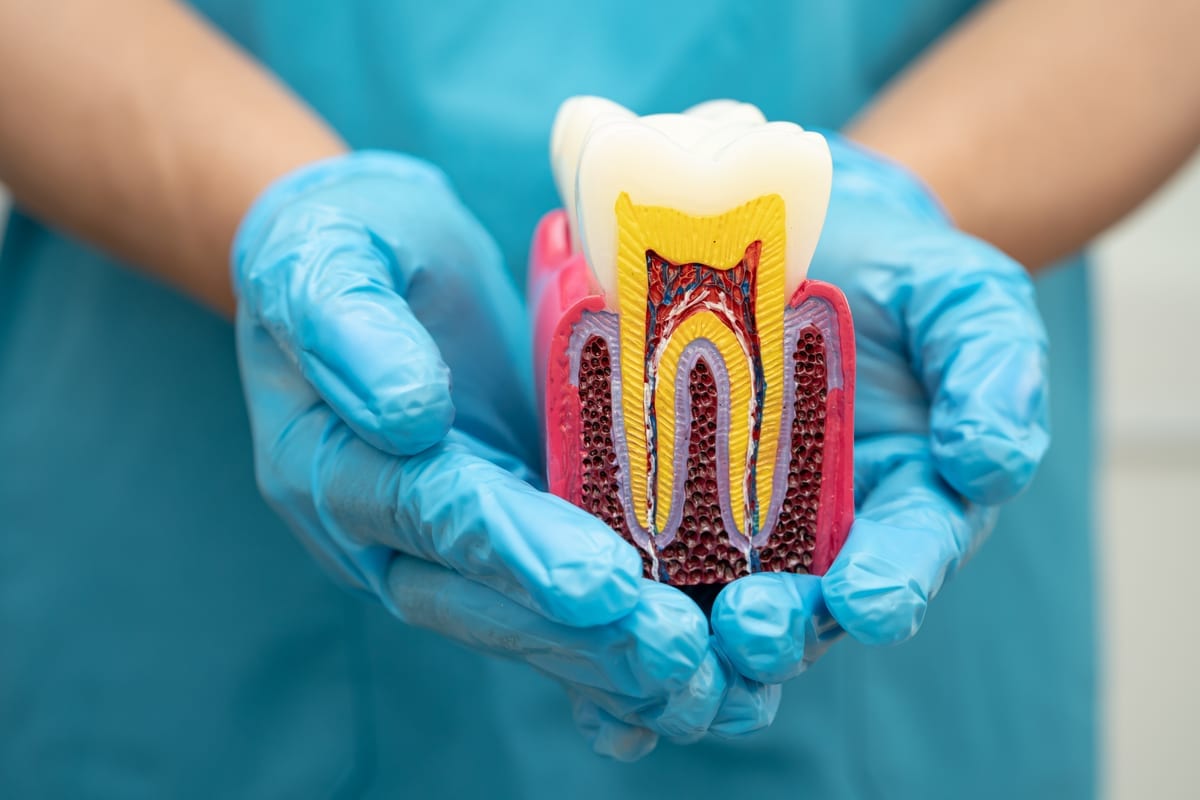
Tooth pain is easy to dismiss. Many Middletown residents assume discomfort will simply go away on its own. But certain symptoms signal something far more serious happening inside your tooth. Knowing the five warning signs you might need a root canal in Middletown could save your tooth — and spare you from a much bigger problem later.
At SmileCross Dental of Middletown, Dr. Sharon Garma helps patients understand exactly what their symptoms mean. This guide will walk you through the key warning signs, explain why delays make outcomes worse, and show you what to do next.
Why Root Canal Warning Signs in Middletown Should Never Be Ignored
A root canal becomes necessary when the soft tissue inside a tooth — called the pulp — becomes infected or inflamed. This can happen due to deep decay, a cracked tooth, or repeated dental procedures on the same tooth. The infection does not resolve on its own without treatment.
Leaving an infected tooth untreated allows bacteria to spread. The infection can move into surrounding bone, nearby teeth, and even into the jaw. What starts as a fixable issue can escalate into tooth loss or a serious systemic health concern.
Early detection dramatically improves the outcome. Patients who act on warning signs early often experience faster recovery, less discomfort during treatment, and a much higher chance of saving the natural tooth. Waiting does the opposite — it worsens every one of those outcomes.
The Five Warning Signs You Might Need a Root Canal in Middletown
These are the most common indicators that the pulp inside your tooth is compromised. You may experience one or several of these at the same time. Either way, each one warrants prompt attention from a dental professional.
- Persistent or severe tooth pain: Pain that lingers for more than a day or two is a red flag. Deep, throbbing pain that worsens when you bite or apply pressure is especially concerning. This is not normal sensitivity — it is your body signaling tissue damage.
- Prolonged sensitivity to heat or cold: Some teeth are naturally sensitive. But sensitivity that lasts for 30 seconds or more after the temperature source is removed suggests nerve involvement. Healthy teeth recover quickly from temperature changes.
- Darkening or discoloration of the tooth: A tooth that turns gray, brown, or noticeably darker than surrounding teeth may have internal tissue breakdown. Discoloration often indicates that the pulp has been damaged or is dying.
- Swelling or tenderness in nearby gums: Swollen, tender, or raised gum tissue near a specific tooth is a warning sign. You may also notice a small pimple-like bump on the gum. This bump, called a dental abscess, releases pressure from the infection.
- A cracked or chipped tooth with pain: Physical trauma to a tooth can expose the inner pulp to bacteria. Even a hairline crack that is not immediately visible can allow infection to take hold. Pain when chewing after an injury should always be evaluated.
If you recognize any of these signs, do not wait to see if they improve. Schedule an evaluation with Dr. Garma as soon as possible. The earlier the issue is caught, the better your options will be.
How Waiting Makes Root Canal Treatment More Difficult
Every day an infected tooth goes untreated, the infection progresses. Bacteria multiply inside the sealed chamber of the tooth root. They can push through the tip of the root and begin destroying the surrounding bone structure.
Once an abscess forms, treatment becomes more complex. Swelling and infection can make it harder to achieve effective numbing during the procedure. Patients often experience more discomfort during treatment when infection is advanced compared to early-stage cases.
There is also the very real risk of losing the tooth entirely. When infection destroys enough supporting bone, extraction may become the only option. A lost tooth creates its own set of long-term consequences for jaw health, bite alignment, and self-confidence.
Replacing a lost tooth — whether through Emergency Dentistry Middletown intervention or a planned dental implant — is a longer and more involved process than treating the original infection early. Acting on warning signs protects both your tooth and your long-term oral health.
What Happens During a Root Canal at SmileCross Dental
Many patients feel anxious about root canal treatment because of outdated perceptions. Modern root canal procedures are far more comfortable than most people expect. Dr. Sharon Garma uses current techniques and local anesthesia to keep patients comfortable throughout.
Here is a general overview of what the process involves:
- Diagnosis and X-rays: Dr. Garma examines the tooth and takes digital X-rays to assess the extent of the infection and the shape of the root canals.
- Anesthesia: Local anesthesia is applied to fully numb the area. Most patients feel pressure, not pain, during the procedure.
- Pulp removal: A small opening is made in the crown of the tooth. The infected pulp tissue is carefully removed from the root canals using specialized instruments.
- Cleaning and shaping: Each canal is cleaned, disinfected, and shaped to prepare it for filling. This step eliminates all remaining bacteria.
- Sealing the tooth: The canals are filled with a biocompatible material called gutta-percha. A temporary or permanent filling closes the top of the tooth.
- Crown placement: Most teeth that receive a root canal are restored with a dental crown afterward. This protects the tooth and restores full function.
The entire appointment typically takes one to two hours. Many patients return to normal activities the next day. Mild soreness for a few days after is normal and manageable with over-the-counter pain relief.
When to Seek Emergency Dental Care in Middletown
Some situations cannot wait for a scheduled appointment. Severe, unrelenting pain, significant facial swelling, fever, or difficulty swallowing or breathing require immediate attention. These symptoms suggest the infection is spreading rapidly.
If you experience any of these acute symptoms, seek care right away. Dental infections that spread to the face, neck, or airway are medical emergencies. Do not attempt to manage these symptoms at home.
SmileCross Dental of Middletown offers care for urgent dental needs. Acting quickly in these situations can prevent a serious health escalation and give you the best chance of a full recovery.
Protecting Your Smile After Treatment
Root canal treatment saves a tooth that would otherwise be lost. After recovery, most patients experience complete relief from the pain that brought them in. A properly restored tooth can function for many years with good care.
Maintaining your restored tooth is straightforward. Brush twice daily, floss consistently, and keep up with your regular professional cleanings. Routine checkups allow Dr. Garma to monitor the treated tooth and catch any new concerns early.
Good preventive habits reduce your risk of needing future root canal treatment. They also keep your entire smile healthier and brighter. If restoring the appearance of your smile is a priority after treatment, ask Dr. Garma about options like Teeth Whitening Middletown patients trust to refresh and brighten their results.
Recognizing warning signs early, seeking timely care, and following through with recommended treatment are the three pillars of a strong dental outcome. SmileCross Dental of Middletown is here to guide you through every step. Book Now to schedule your appointment with our team.
Frequently Asked Questions
How do I know if tooth pain means I need a root canal?
Persistent pain, sensitivity that lingers after temperature exposure, swelling, or visible tooth discoloration are all potential warning signs. A thorough examination and X-rays from Dr. Garma at SmileCross Dental of Middletown will confirm whether root canal treatment is necessary. Do not rely on self-diagnosis for significant tooth pain.
Is a root canal painful?
Most patients find root canal treatment much more comfortable than they expected. Modern anesthesia techniques effectively numb the area. You may feel mild pressure during the procedure, but sharp pain is unusual. Post-treatment soreness is typically mild and resolves within a few days.
What happens if I delay root canal treatment?
Delaying treatment allows the infection to spread. It can move into surrounding bone and neighboring teeth. In advanced cases, the tooth may no longer be salvageable and extraction becomes necessary. Acting early gives you the best chance of saving the natural tooth.
How long does a root canal procedure take?
Most root canal appointments at SmileCross Dental of Middletown take between one and two hours. Complex cases with multiple canals may require additional time or a follow-up visit. Dr. Garma will give you a clear timeline during your initial examination.
Will I need a crown after a root canal?
In most cases, yes. A dental crown protects and strengthens the tooth after the pulp has been removed. Teeth that undergo root canal treatment can become more brittle over time. A crown restores full function and protects your investment in keeping the natural tooth.