Middletown
(845) 957-8453



Not every smile concern needs the same fix. When patients in Schoharie ask about veneers vs bonding vs whitening to fix their smile, the honest answer is: it depends on your specific concern. A chip is different from a stain. A gap is different from a worn edge. Dr. Rosanne Morgan at SmileCross Dental helps you match the right treatment to the right problem — so you get real results, not guesswork.
This guide walks you through four cosmetic options: veneers, dental bonding, teeth whitening, and contouring. We explain what each one fixes, what it involves, and who it suits best.
Understanding Your Smile Concern First
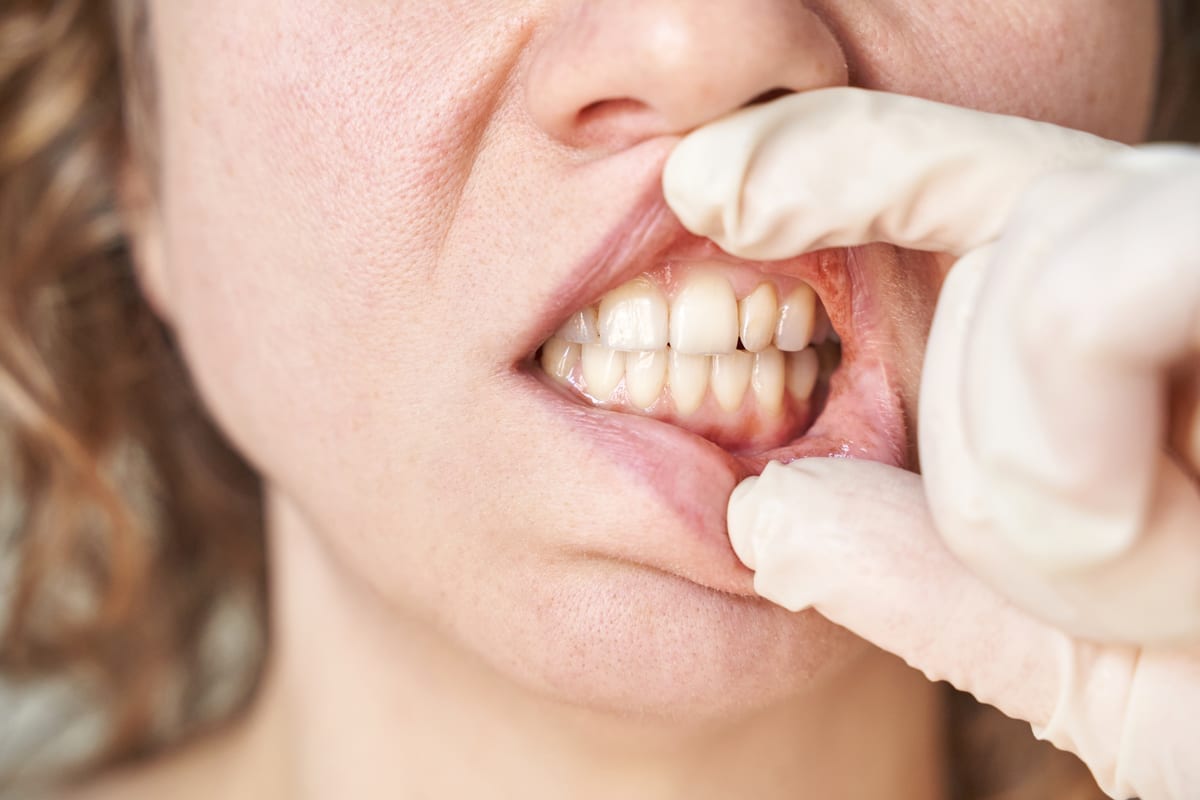
Before choosing a treatment, you need to identify the problem clearly. Most smile concerns fall into one of four categories: discoloration, structural damage, shape irregularities, or spacing issues. Each category responds differently to different treatments.
Discoloration responds well to whitening — but only if the staining is on the enamel surface. Structural issues like chips or cracks need bonding or veneers to restore shape. Gaps between teeth often require bonding or veneers as well. Worn or uneven edges may benefit from contouring alone or combined with bonding.
Knowing your concern guides every decision after this point. Think about what bothers you most when you look in the mirror. That single issue is your starting point.
Veneers vs Bonding: Which Fixes Chips and Gaps in Schoharie?
Dental bonding is one of the most versatile and affordable cosmetic options available. Your dentist applies a tooth-colored composite resin directly to the tooth surface. The material is shaped, hardened with a curing light, and polished smooth. Bonding works beautifully for small chips, minor gaps, and slight discoloration.
Veneers, on the other hand, are thin porcelain shells custom-made for each tooth. They cover the entire front surface of a tooth. Veneers are more durable than bonding and resist staining better over time. They are the stronger choice when multiple concerns exist on the same tooth.
Here is a quick comparison to help you decide:
- Bonding — Best for small chips, minor gaps, single teeth, quick fixes
- Veneers — Best for multiple concerns, heavy discoloration, long-term durability
- Bonding cost — Generally lower, completed in one visit
- Veneer process — Requires two visits and minimal enamel removal
- Lifespan — Bonding lasts 5–7 years; veneers can last 10–15 years with care
If you have one chipped tooth and want a same-day result, bonding is likely your best option. If you want a complete smile transformation across several teeth, veneers deliver more consistent, lasting results.
When Teeth Whitening Is — and Isn’t — the Right Answer
Teeth whitening is the most straightforward cosmetic treatment available. It targets surface stains caused by coffee, tea, wine, tobacco, and age. Professional whitening at SmileCross Dental is significantly more effective than over-the-counter products. Results can brighten your smile by several shades in a single session.
However, whitening has important limitations. It does not change the color of bonding, crowns, or veneers. It also cannot fix structural concerns like chips, cracks, or uneven edges. If your teeth are healthy but dull, whitening may be all you need. If staining is combined with damage, you likely need bonding or veneers alongside whitening.
Whitening is also not effective on all types of discoloration. Intrinsic stains — those caused by medications, fluorosis, or trauma — do not respond to bleaching agents. For intrinsic discoloration, veneers offer the most reliable cosmetic coverage.
Benefits of professional teeth whitening include:
- Fast results — often in a single appointment
- Non-invasive — no drilling or enamel removal
- Affordable compared to veneers or bonding
- Customizable strength and shade selection
- Safe and monitored by your dental team
Contouring: The Overlooked Option for Worn or Uneven Edges
Dental contouring — also called enameloplasty — is rarely discussed but highly effective for specific concerns. It involves gently reshaping the enamel to smooth uneven edges, reduce minor overlaps, or correct small irregularities. No anesthesia is typically needed. The results are immediate and permanent.
Contouring works best when the issue is purely about shape, not color or size. If your tooth edges look jagged or slightly misaligned, contouring can refine them in minutes. It pairs well with bonding when one tooth needs both reshaping and chip repair.
It is important to understand that contouring removes a small amount of enamel permanently. It is only appropriate when enamel is thick enough to allow safe reduction. Dr. Morgan will assess your tooth structure before recommending this approach.
Matching Treatment to Concern: A Practical Guide for Schoharie Patients
Choosing between veneers, bonding, whitening, and contouring does not have to feel overwhelming. The key is matching the treatment to the concern — not choosing the most expensive option or the one you have heard about most.
Use this framework as your starting point:
- Chips or cracks — Start with bonding for minor damage; consider veneers for extensive damage
- Gaps between teeth — Bonding works for small gaps; veneers suit larger or multiple gaps
- Surface staining — Professional whitening is the first-line treatment
- Deep or intrinsic staining — Veneers provide the most reliable coverage
- Worn or jagged edges — Contouring alone or combined with bonding
- Multiple concerns on one tooth — Veneers typically offer the most comprehensive solution
Some patients need a combination of treatments. For example, whitening first and then bonding ensures your composite resin matches your new, brighter shade. Dr. Morgan at SmileCross Dental will walk you through the right sequence for your smile goals.
It is also worth noting that untreated dental issues can sometimes require more urgent care. If you are experiencing tooth pain alongside cosmetic concerns, that could signal a deeper problem. Emergency Dentistry Schoharie services at SmileCross Dental are available for situations that cannot wait. Similarly, if a tooth is severely decayed beneath the surface, Root Canal Treatment Schoharie may be needed before any cosmetic work begins.
What to Expect at Your Smile Consultation at SmileCross Dental
Your cosmetic journey starts with a thorough consultation. Dr. Morgan examines your teeth, gum health, and bite alignment before recommending any treatment. She also listens carefully to what you dislike about your smile and what outcome you are hoping for.
From there, she presents your options clearly — including realistic expectations for each treatment. You will understand the process, the timeline, and what the results will look like before anything begins. There are no surprises and no pressure.
SmileCross Dental serves patients throughout the Schoharie, NY area with personalized, evidence-based care. Whether your concern is a single chip or a full smile refresh, the goal is always the same: results that feel natural and last.
Ready to find the right solution for your smile? Book Now to schedule your appointment with our team.
Frequently Asked Questions
Can I combine teeth whitening with veneers or bonding?
Yes — but the order matters. Whiten your natural teeth first, then match the shade of your bonding or veneers to the new color. Composite resin and porcelain do not respond to whitening agents, so any restorations placed before whitening may end up looking darker than your treated teeth.
How long does dental bonding last compared to veneers?
Dental bonding typically lasts between five and seven years with proper care. Porcelain veneers generally last ten to fifteen years or longer. Bonding may chip or stain over time, especially with habits like nail biting or consuming heavily pigmented foods and drinks. Both options require regular dental checkups to monitor their condition.
Is teeth whitening safe for sensitive teeth?
Professional whitening is formulated to minimize sensitivity. Dr. Morgan can adjust the concentration of the whitening agent based on your comfort level. Many patients with mild sensitivity do well with professional treatments. Those with significant sensitivity may benefit from a desensitizing pre-treatment or a gentler whitening protocol.
What is the difference between intrinsic and extrinsic staining?
Extrinsic stains sit on the surface of the enamel and are caused by foods, drinks, and tobacco. These respond well to professional whitening. Intrinsic stains are embedded within the tooth structure itself and are often caused by medications like tetracycline, fluorosis, or past trauma. Whitening does not effectively treat intrinsic stains — veneers are typically the better solution.
Do veneers require a lot of tooth removal?
Traditional porcelain veneers require the removal of a thin layer of enamel — usually less than a millimeter — to ensure a natural fit and appearance. This process is permanent. Some patients are candidates for minimal-prep or no-prep veneers, which require little to no enamel reduction. Dr. Morgan will assess your teeth and explain which type of veneer is appropriate for your situation.