Middletown
(845) 957-8453


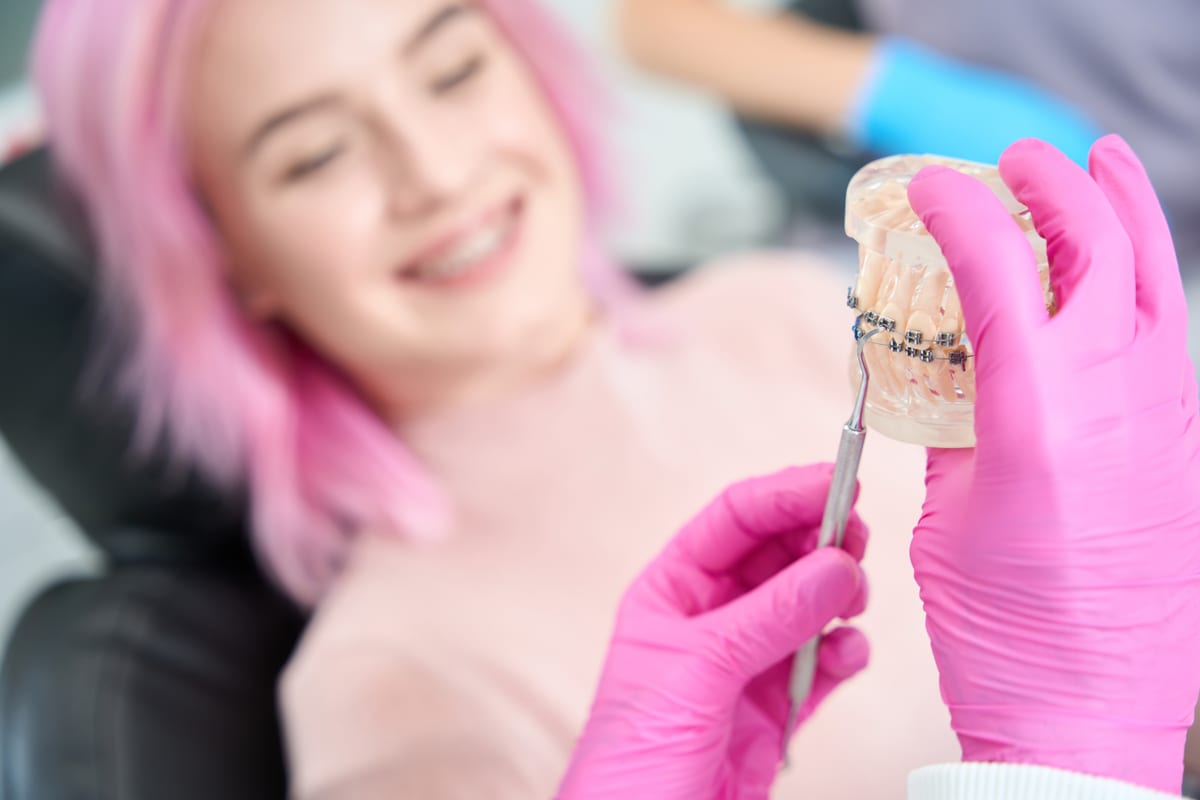
Many people in Middletown, NY wonder whether their bite problems are serious enough to need orthodontic treatment. The short answer is that more patients qualify than they might expect. Understanding whether your bite is a candidate for orthodontic treatment in Middletown starts with knowing what signs to look for. At SmileCross Dental of Middletown, Dr. Sharon Garma helps patients explore their options with a thorough, judgment-free evaluation.
Bite issues are not just cosmetic concerns. A misaligned bite can affect how you chew, speak, and even breathe. Left untreated, certain bite problems can cause jaw pain, uneven tooth wear, and long-term dental damage. Getting evaluated early gives you the best chance at a lasting solution.
Common Bite Problems That Qualify for Orthodontic Treatment in Middletown
Not every bite looks the same, and neither does every orthodontic case. Dentists and orthodontists evaluate specific bite patterns to determine candidacy. Knowing which conditions typically qualify helps you understand what to look for in your own smile.
Common bite issues that often make patients candidates for orthodontic treatment include:
- Overbite — upper front teeth overlap too far over the lower teeth
- Underbite — lower teeth sit in front of the upper teeth when biting
- Crossbite — upper and lower teeth do not align properly side to side
- Open bite — front teeth do not touch when the back teeth are closed
- Crowding — teeth are too close together, causing overlapping
- Spacing issues — gaps between teeth that affect function or appearance
Each of these conditions places stress on your teeth and jaw. Over time, that stress can lead to chipping, cracking, or even tooth loss. Addressing these issues with orthodontic care protects your overall oral health.
What the Orthodontic Evaluation Involves at SmileCross Dental
Before any treatment begins, Dr. Sharon Garma performs a comprehensive evaluation. This helps determine exactly what type of bite issue you have and what treatment approach fits best. The evaluation is straightforward and non-invasive.
Here is what you can typically expect during your assessment:
- Visual exam — Dr. Garma examines your teeth, gums, and jaw alignment
- Digital X-rays — imaging helps reveal root positions and bone structure
- Bite analysis — you may be asked to bite down so the dentist can assess alignment
- Medical and dental history review — past treatments can affect candidacy
- Discussion of your goals — understanding your concerns helps shape the right plan
This process gives Dr. Garma a full picture of your oral health. It also helps identify any underlying issues that need to be addressed before orthodontic treatment begins. For example, cavities or gum disease must be treated first.
Some patients are surprised to learn that certain dental conditions can complicate or delay orthodontic treatment. That is why a thorough evaluation is so important. It ensures the best possible outcome from the start.
Factors That Determine the Best Orthodontic Approach for Your Bite
Once your bite issue is identified, several factors help determine the right treatment approach. No two patients are exactly alike, and that means no two treatment plans are identical. Dr. Garma considers multiple variables before recommending a course of action.
Key factors that influence the best orthodontic approach include:
- Severity of the bite problem — mild cases may need less intensive treatment
- Patient age — younger patients may respond more quickly to correction
- Bone density and gum health — strong supporting structures are essential
- Existing dental work — crowns, bridges, or implants can affect treatment options
- Lifestyle and preferences — some patients prefer discreet options like Invisalign
Invisalign is a popular choice for adults and teens in Middletown who want a less visible treatment option. It uses a series of clear, removable aligners to shift teeth gradually into position. Not every bite issue qualifies for Invisalign, which is why the evaluation step matters so much.
Traditional approaches may still be recommended for more complex cases. Dr. Garma will explain all available options and why one may be better suited for your specific bite pattern. The goal is always to find the most effective path for your long-term oral health.
How Bite Problems Connect to Other Dental Health Concerns
Bite misalignment rarely exists in isolation. It often interacts with other dental health issues in ways that patients may not immediately connect. Understanding this relationship helps you appreciate why bite correction is about more than just aesthetics.
A misaligned bite puts uneven pressure on certain teeth. This can cause enamel to wear down faster on some teeth than others. Over time, this increases the risk of sensitivity, cracking, and even tooth loss.
Bite problems can also make it harder to keep teeth clean. Crowded or overlapping teeth create spaces that are difficult to brush and floss properly. This raises the risk of cavities and gum disease, which then need to be treated before orthodontics can begin.
In some cases, patients dealing with bite-related pain may also experience jaw joint issues. These can sometimes require Root Canal Treatment Middletown patients need when untreated bite stress leads to nerve damage in a tooth. Catching bite problems early can help prevent these complications from developing.
Dental emergencies can also arise when a bite problem causes a tooth to crack or fracture under pressure. If you are ever in sudden pain or distress, Emergency Dentistry Middletown services at SmileCross Dental are available to help you quickly.
Is Orthodontic Treatment Right for You? Taking the Next Step
Determining whether your bite is a candidate for orthodontic treatment in Middletown requires a professional evaluation. Online quizzes and self-assessments can give you a general idea, but they cannot replace a hands-on examination. A dentist can see things that are not visible to the untrained eye.
Many patients put off this conversation because they assume treatment will be too complex or time-consuming. The reality is that today’s orthodontic options are more comfortable and discreet than ever before. Early evaluation gives you more choices and often shorter treatment timelines.
If you have noticed any discomfort when chewing, visible gaps or crowding, or asymmetry in your smile, those are all reasons to schedule a conversation with Dr. Garma. You do not need to have severe pain or a dramatic bite problem to be a candidate. Even mild bite issues can benefit from treatment.
SmileCross Dental of Middletown is here to guide you through every step of the evaluation process. Dr. Sharon Garma takes time to explain your options clearly and answer every question you have. Your comfort and confidence in the process matter deeply to our team. Book Now to schedule your appointment with our team.
Frequently Asked Questions
How do I know if my bite needs orthodontic treatment?
Common signs include teeth that overlap, visibly crooked alignment, difficulty chewing, jaw discomfort, or noticeable gaps between teeth. A professional evaluation with Dr. Sharon Garma at SmileCross Dental is the most reliable way to determine if treatment is right for you.
Can adults in Middletown qualify for orthodontic treatment?
Yes, adults are excellent candidates for orthodontic treatment. Bite correction is not limited to children or teenagers. As long as your teeth and supporting bone are healthy, orthodontic options like Invisalign or other approaches can be highly effective for adults.
Does a bite problem always require braces or aligners?
Not always. The severity and type of bite issue determine the best approach. Some mild cases may be addressed with other dental solutions such as crowns or veneers. Dr. Garma will evaluate your specific situation and recommend the most appropriate treatment option.
How long does orthodontic treatment typically take?
Treatment length varies depending on the complexity of your bite issue. Minor corrections may take six to twelve months, while more complex cases can take one to three years. Your evaluation at SmileCross Dental will give you a more personalized timeline estimate.
What should I do before my orthodontic evaluation?
Before your visit, make a note of any symptoms you have noticed, such as jaw pain, difficulty chewing, or visible misalignment. Bring any recent dental records if you have them. Having this information ready helps Dr. Garma conduct a more thorough and efficient evaluation.